Part 2: Uplifting Teacher Shirts That Spark Classroom Positivity

๐Ÿ’› Why I Choose Tees That Speak Positivity

If youโ€™ve ever had a student say, โ€œI like your shirt!โ€ or โ€œThatโ€™s a good message,โ€ then you know โ€” what we wear in the classroom matters.

I love a cozy tee like any teacher, but over the years Iโ€™ve become more intentional about choosing shirts with positive, encouraging messages. The kind that:

  • Show students theyโ€™re safe and seen
  • Start quiet conversations about kindness or perseverance
  • Make even your toughest days feel a little lighter

๐Ÿ‘š Tees That Talk: My Favorites

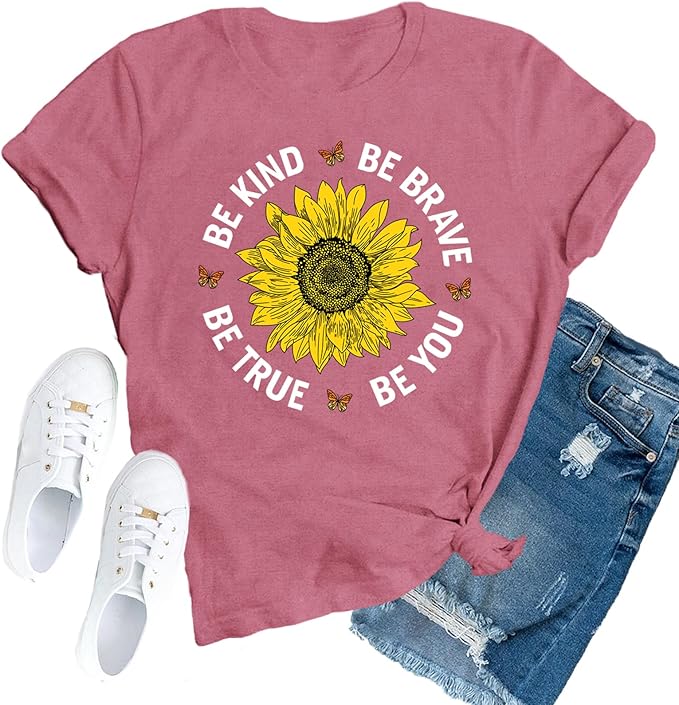
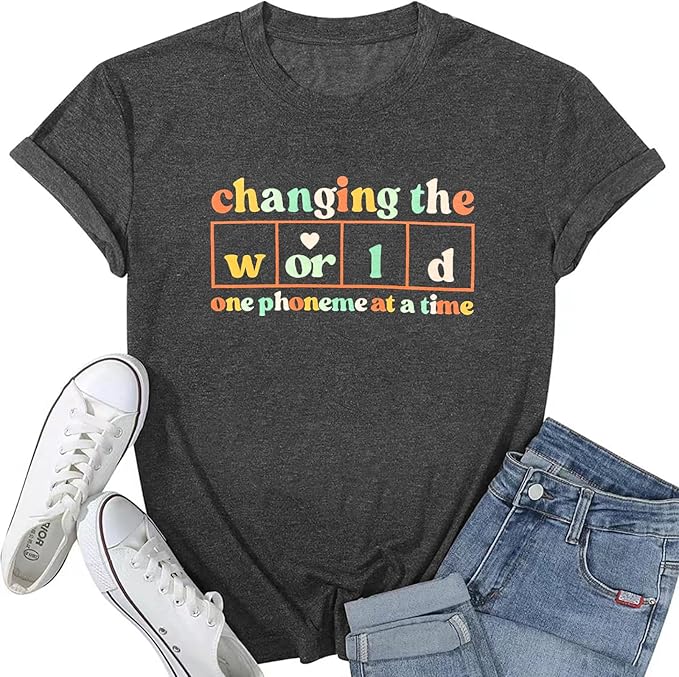
Here are a few of my favorite uplifting teacher tees (Click the image below to shop my picks from Amazon!):

(Affiliate links. As an Amazon Associate, I earn from qualifying purchases.)

๐Ÿ’ฌ Wear the Words You Believe In

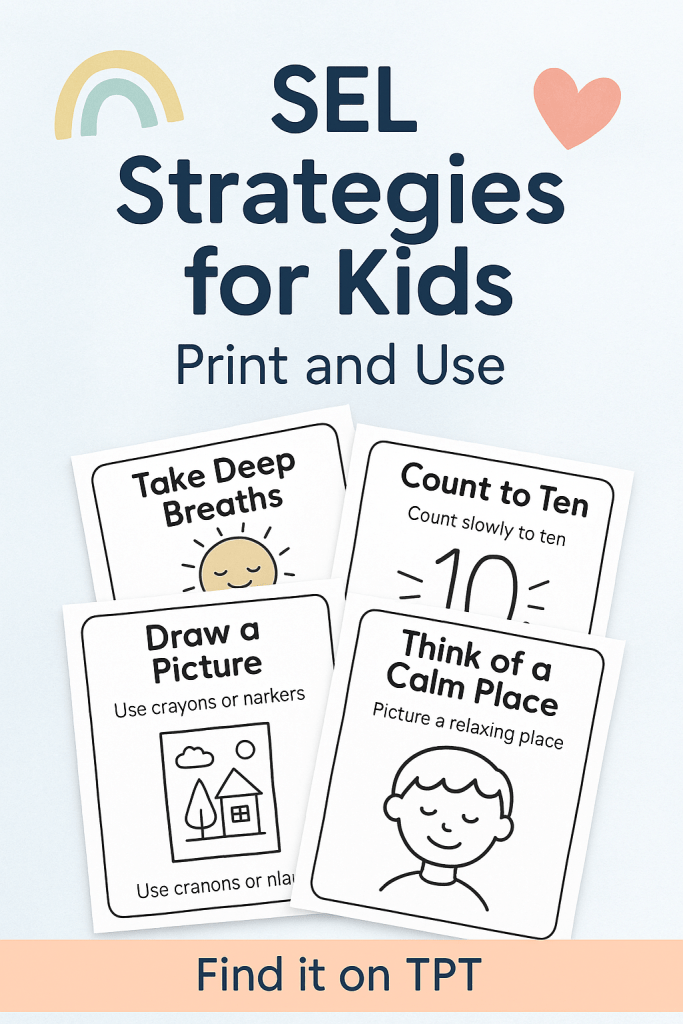
Wearing positive messages is just one way I set the tone in my classroom. If youโ€™re also looking for ways to help students develop self-regulation and emotional awareness, I created a set of SEL Strategy Cards you can use in your calm down corner.

๐Ÿ‘‰ Check out the SEL Strategy Cards here
(Perfect for Kโ€“3 students! Just print and go.)

My Go-To Tool for Supporting Emotional Regulation in the Classroom

Teaching emotional regulation is just as important as teaching reading or math โ€” especially in the early grades. I created these SEL strategy cards to give students concrete, visual tools to help manage their feelings when emotions start to take over.

Whether theyโ€™re feeling overwhelmed, frustrated, or just need a moment to reset, these cards help guide students to use calming strategies independently.


๐Ÿ’ก Whatโ€™s Inside the SEL Strategy Cards Set

This printable resource includes:

  • โœ… calming strategies in student-friendly language
  • โœ… Categories like breathing, movement, visualization, and positive self-talk
  • โœ… A calm, clean design with hand-drawn style icons
  • โœ… An instruction page to help you introduce the cards with confidence

๐Ÿงบ How I Use Them in My Classroom

I introduce the cards during our class meetings and model how to use them. We role-play different scenarios and talk about how each strategy helps. Once students are familiar, I place the cards in our Calm Down Corner along with a few quiet tools like crayons, stress balls, and a timer.

The best part? Students now know what to do when they need a moment โ€” and they don’t need to ask me for help every time.


๐Ÿซ Other Ways to Use These Cards:

  • โœ… Morning meetings or SEL mini-lessons
  • โœ… Small group counseling
  • โœ… Pre-teaching strategies before a tough test or transition
  • โœ… Substitute or independent work time SEL centers

๐Ÿ“ฅ Grab Your Set of SEL Cards

You can grab the full set of SEL Strategy Cards for Kids in my Teachers Pay Teachers store.

๐Ÿ‘‰ Click here to get the SEL cards on TPT!

Just print, laminate, and use them all year long to support your studentsโ€™ emotional growth.

๐Ÿ“Œ Save This for Later

Pin the image below to your SEL or classroom management board so you donโ€™t forget it!


๐Ÿ“Œ Check out my Pinterest Page for more SEL strategies

Why I Teach Self-Reflection in the Elementary Classroom

As elementary teachers, we wear a lot of hats. We plan lessons, assess progress, meet diverse academic needs, and ensure students master grade-level standards. But one of our most importantโ€”and often overlookedโ€”roles is supporting the social and emotional growth of our learners.

Helping students understand their choices, emotions, and reactions is powerful work. When done consistently and with care, it can transform not just individual behavior, but the entire classroom climate. Iโ€™ve seen firsthand that the more time we invest in this kind of support, the more successful our students becomeโ€”not just as learners, but as people.

That said, teaching emotional regulation and reflection isnโ€™t easy. If youโ€™ve ever worked with a student in the middle of a meltdown or conflict, you know that teaching in the heat of the moment rarely works.

Thatโ€™s where self-reflection becomes essential.


๐Ÿ“ What a Reflection Form Is (and Isnโ€™t)

A reflection form is not a punishment.
Itโ€™s a toolโ€”a calm, structured way for students to pause and process what happened. The goal is to build self-awareness and emotional vocabulary, not shame or blame.


๐Ÿ•’ When I Use It

  • After a conflict or disruptive behavior
  • In calm-down corners, when students are ready to reflect
  • During restorative conversations
  • As a check-in tool for ongoing SEL support

๐Ÿ’ฌ What Iโ€™ve Noticed Since Using It

Since I started using reflection forms in my classroom, Iโ€™ve seen some amazing changes:

  • Students are better able to identify and express their emotions
  • There are fewer repeated behaviors
  • Iโ€™m having more restorative conversations instead of reactive ones
  • Students are becoming more aware of how their actions affect others
  • Our classroom community feels stronger and more connected

๐ŸŽ Try It in Your Classroom

Iโ€™ve created a simple, kid-friendly Student Reflection Form you can start using right away. Itโ€™s perfect for calm-down corners, behavior support, or SEL lessons.

๐Ÿ‘‰ Click here to grab the free reflection form

Letโ€™s help our students not just manage their emotionsโ€”but understand them.

Check out My TPT page for more SEL classroom tools as well .

Join the List

๐ŸŽ‰ Get a Free Student Self-Reflection Form

Want a simple, effective way to help your students take ownership of their actions and reflect on their choices?

Sign up below to get instant access to my free printable Self-Reflection Formโ€”perfect for calm-down corners, SEL check-ins, and restorative practices.

I’ll also be sharing things like:
โœ”๏ธ Classroom-ready freebies
โœ”๏ธ Practical teaching ideas
โœ”๏ธ Resources to help your classroom feel like a home away from home

๐Ÿ‘‡ Just enter your info below and Iโ€™ll send it right to your inbox!

๐ŸŽ‰ Get Your Free Student Self-Reflection Form

Help your students build emotional awareness and take ownership of their choices with this simple, printable reflection form. Itโ€™s perfect for calm-down corners, behavior check-ins, or restorative conversations.

Prefer a plain link? Click here to grab it

**Since we are just getting to know each other, you might need to check your spam folder if you don’t receive the reflection form to your inbox.

Thanks!

Helping Students Take Ownership: Why I Use Self-Reflection Forms in My Classroom

As teachers, we wear a lot of hatsโ€”educator, counselor, cheerleader, problem solver. And one of the most powerful things we can do for our students is help them develop the skills to reflect on their actions and grow from them.

Thatโ€™s why I started using self-reflection forms as a regular part of my classroom routine.

๐ŸŒฑ Why Self-Reflection Matters

In the hustle of a school day, itโ€™s easy to default to consequences when a student makes a poor choice. But Iโ€™ve learned that when students are given a safe, structured way to think about what happened, how it impacted others, and what they could do differently next timeโ€”they begin to take real ownership.

Self-reflection builds:

  • Emotional intelligence
  • Empathy
  • Problem-solving skills
  • Self-regulation

And letโ€™s be honest: kids are way more likely to change their behavior when they feel understood and supportedโ€”not shamed.


๐Ÿง  Whatโ€™s Included in the Self-Reflection Form

The form I use is simple, student-friendly, and developmentally appropriate for elementary students. It guides them through questions like:

  • What happened? (with space to draw or write)
  • How do you feel about it?
  • How did your actions affect othersโ€”and yourself?
  • What will you do next time?

I also include sample scenarios and a filled-in example so students know what thoughtful reflection looks like.

โœจ You can grab the form I use in my classroom right here on my TPT page.


๐Ÿ“š When I Use It

Here are a few times the reflection form comes in handy:

  • After a disruption or conflict
  • During restorative conversations
  • In a calm-down corner
  • During a class meeting or check-in
  • As part of a behavior plan

Sometimes students fill it out on their own. Other times, we do it together. Either way, it creates space for learning and connection.


๐Ÿ’ก Final Thoughts

Giving students the tools to reflect doesnโ€™t just help them make better choicesโ€”it shows them that mistakes are part of learning, and theyโ€™re capable of growth.

If youโ€™re looking for a meaningful, low-prep way to support social-emotional learning and accountability in your classroom, I hope youโ€™ll give this form a try!

๐Ÿ‘‰ Click here to grab the Student Self-Reflection Form on TPT or send me a message for a free sample!

Let me know if you want to hear more about fostering self-regulation in the classroom!

How to Make Your Classroom Feel Like a Home Away From Home

Whether you’re setting up your classroom for the first time or are a seasoned teacher like me, chances are you spend a lot of time thinking about your space. After 20 years in the classroom, I’ve gone through it allโ€”classroom themes, color-coded centers, inspirational posters, and anchor charts galore.

But lately, Iโ€™ve shifted my mindset. And after years of trial and error, Iโ€™ve discovered a style that finally feels just right.

Less is More

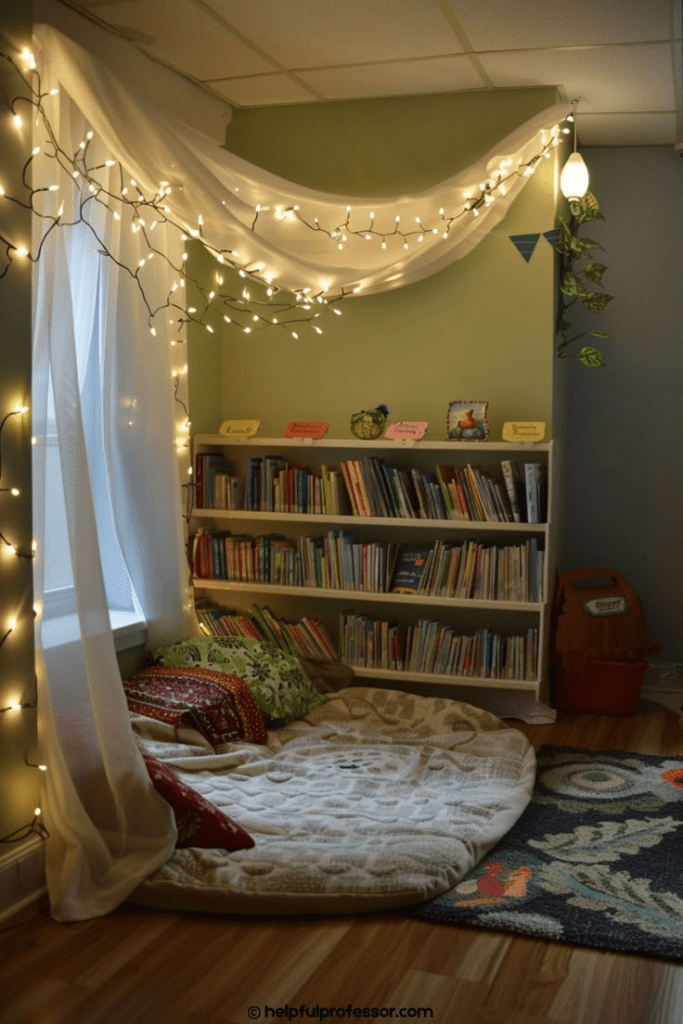
Yep, Iโ€™ve realized that the less I put on the walls, shelves, and tables, the more at peace I feel. My current aesthetic? Think cozy, calm, and intentionalโ€”a โ€œhome away from home.โ€

We spend a big chunk of our lives in our classrooms. So why not make it feel warm and welcoming, like a place where we actually want to be?

Need some inspiration? Iโ€™m sharing a few of the small changes Iโ€™ve made to help create a calm, homey environmentโ€”along with links to some of my favorite finds and ideas for organizing it all.


1. Warm, Cozy Lighting

Letโ€™s be honestโ€”those harsh fluorescent lights donโ€™t exactly scream โ€œcomfort.โ€ At home, we use soft lamps, warm tones, and ambient lighting. Why not bring that vibe into the classroom?

Try this:

Pro Tip: Assign a class job called โ€œElectricianโ€ to handle the lights. Kids LOVE itโ€”especially with a remote control.


2. Community Supply Sharing

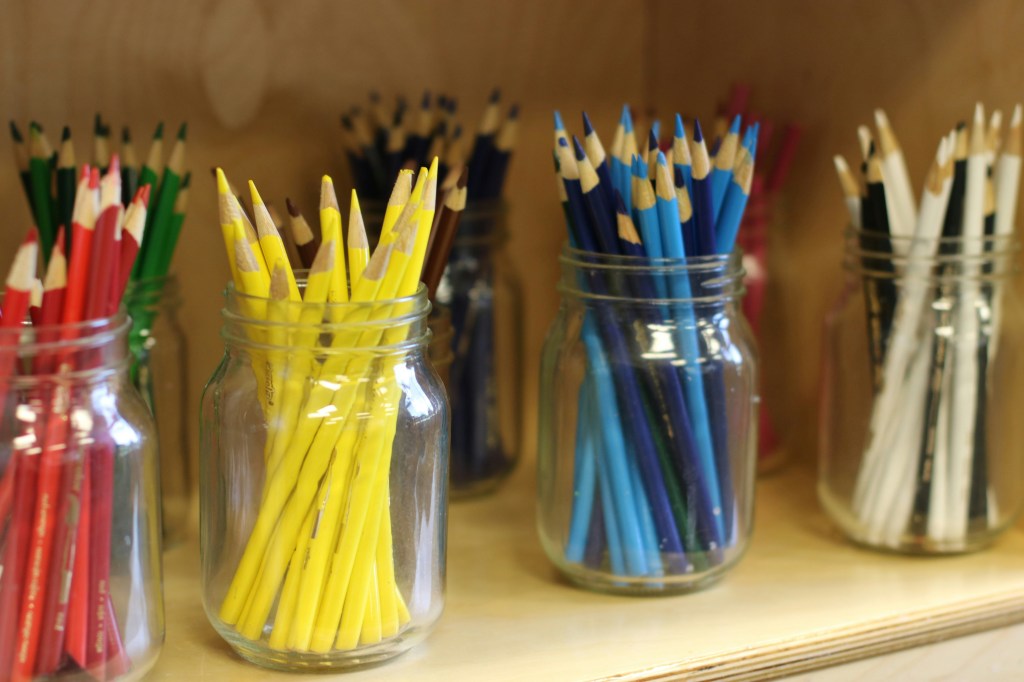
Community supplies not only reduce the clutter and โ€œmy stuffโ€ drama, they also create a sense of shared responsibility and trust.

How I organize it:

๐Ÿ’ก Iโ€™ve also used mason jars for markers and pencilsโ€”itโ€™s both functional and decorative.


3. Ditch the Desk

I know, it sounds wild. But ditching my teacher desk was one of the best decisions Iโ€™ve made. I now use a floor table and comfy chair, which opens up the space and feels so much more inviting.

Need funding? Ask your principal or PTA! Youโ€™d be surprised what theyโ€™re willing to support if you just ask.


4. Cozy Classroom Touches

These small details make a big difference in the overall feel of your room:

  • Family Photo Wall: Use twine and mini clothespins to hang family photos students bring in.
  • Class Photographer Job: One student documents classroom moments. Print a few each month to add to a photo album that stays on the bookshelf.
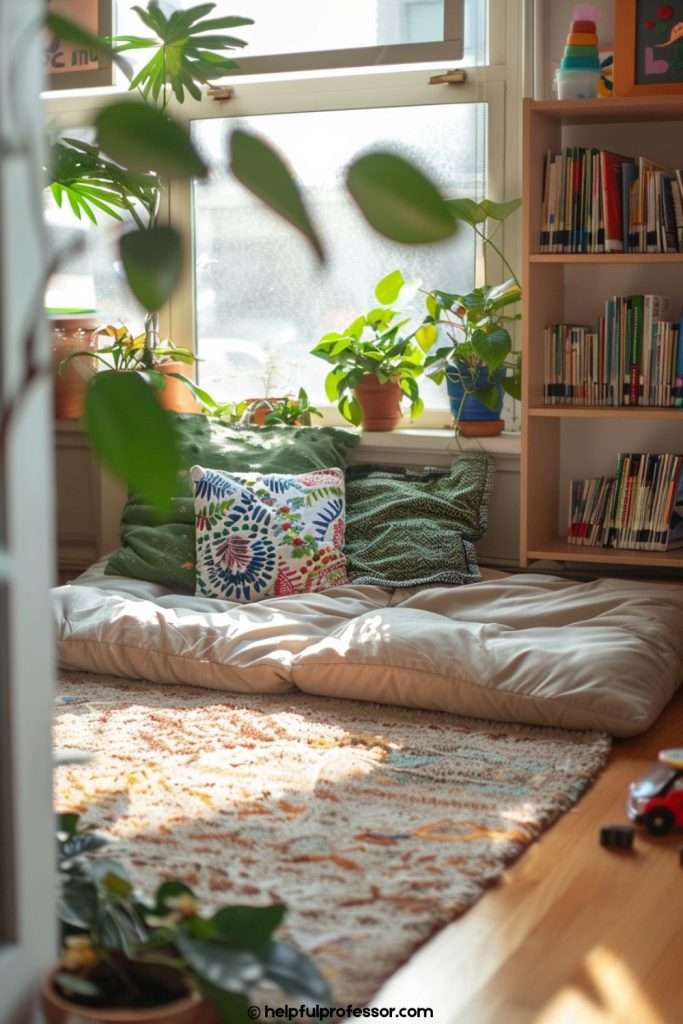
  • Plants: They clean the air and add beauty. Assign a โ€œClass Botanistโ€ to care for them.
  • Area Rugs: Think home-style, not classroom-themed. A rug can define a space and soften the room.

Final Thoughts

Making your classroom feel like a second home doesnโ€™t mean sacrificing professionalism or functionโ€”it means embracing simplicity and warmth to create a space where you and your students feel safe, calm, and inspired.

You deserve to enjoy the space you spend so much time in. And your students? Theyโ€™ll feel the difference too.

Share your classroom styling tips with us- we love to share ideas!

Preventing Teacher Burnout: Practical Tips from One Teacher to Another

A Real Talk Moment

Letโ€™s be honest: how often do you find yourself thinking, โ€œI just donโ€™t know if I can do this anymore?โ€ Or maybe itโ€™s, โ€œI used to love teachingโ€ฆ what happened?โ€ If those thoughts sound familiar, youโ€™re not alone. Iโ€™ve been there tooโ€”more than once.

Hereโ€™s a truth you might not know: one of the main reasons I started this blog was because of my own experience with burnout. This past school year was rough. I felt frustrated, defeated, and overwhelmed. Teaching is hard. Between lesson plans, student behaviors, new curriculums, endless meetings, standards, parent communicationโ€”the list goes on and onโ€”I felt completely lost in it all.

I wasnโ€™t showing up as the best version of myself. I asked myself more than once, โ€œDo I even want to do this anymore?โ€

And ultimately, the answer was yes. I do want to be a teacher. But something had to change.

The first step? Changing my own mindset and approach to the work. Because at the end of the day, it’s not about meโ€”it’s about my students. And I can’t be the best teacher for them if Iโ€™m not also taking care of myself.

Maybe this blog is my way of staying motivated. Maybe itโ€™s how I remind myself of the joy I once found in this job. And maybe, just maybe, it will help you do the same. So grab a cup of coffee, pull up a stoolโ€”we’re in this together. Letโ€™s work to support each other and bring the joy back into our classrooms.


Signs of Burnout

Burnout doesnโ€™t always look the same for everyone, but for me, it showed up like this:

  • Constantly feeling like I wasnโ€™t doing enough
  • Feeling defeated, despite trying my hardest
  • Becoming easily frustratedโ€”especially at work
  • Letting negative self-talk take over
  • Bringing the stress home and snapping at my own family

I was short with my kids, irritable with my spouse, and honestly, not very fun to be around. Thatโ€™s not how I want to live.

Did that make me a bad teacher, mom, or partner? No. It made me human. But it was a wake-up call that I needed to make some changes to recalibrate.


Whatโ€™s Helping Me Right Now

Iโ€™m still figuring this out, but here are a few things that have helped me start to feel more like myself again:

โœฆ Accepting That I Canโ€™t Do It All

We say this all the timeโ€ฆ but do we really believe it? I had to learn to ask for help, say no to extra responsibilities, and admit when I didnโ€™t have all the answers. Itโ€™s freeingโ€”and necessary.

โœฆ Focusing on What I Can Do (and Doing It Well)

Instead of trying to do everything, I started narrowing my focus. What am I good at? What energizes me? Iโ€™d rather do a few things well than do too many things halfway.

โœฆ Letting Go of What I Canโ€™t Control

I ask my students all the time, โ€œWho can you control?โ€ Their answer: โ€œYourself.โ€ Time to take my own advice. I canโ€™t control decisions from admin, curriculum changes, or other peopleโ€™s behaviorโ€”but I can control how I respond.

โœฆ Streamlining My Work Routines

I started making better use of my planning time. Instead of venting with coworkers or scrolling my phone, I created a focused agenda and stuck to it. The result? Less work brought homeโ€”and way more peace of mind.

โœฆ Finding a Support System

Talk to the teacher next door. Chances are, theyโ€™re feeling the same. Start a blog, join a Facebook group, divide up the workload. You donโ€™t have to do this alone.


De-Stressing Outside the Classroom

You are more than your job. Youโ€™re a personโ€”maybe a partner, parent, friend, or daughter. Donโ€™t lose sight of who you are outside of teaching. Here are a few simple changes I made that helped me reconnect with myself:

โœฆ Make After-School Time Your Time (At Least for a Bit)

When I get home, I donโ€™t open my laptop or check my email. I take a 30-minute solo walk, pop in my earbuds, and listen to a good podcast. It gives me space to decompress so I can re-enter my home life with more energy.

โœฆ Communicate Your Needs

Donโ€™t bottle up your stress. Talk to your partner, friends, or even your own kids about what you need. Sometimes itโ€™s 20 minutes to read or journal, sometimes itโ€™s just quiet. The people who love you want to support youโ€”let them.

โœฆ Find a Hobby (Yes, Really!)

I recently started gardeningโ€”yes, me, the self-proclaimed black thumb. And guess what? I love it. Planting flowers, watching vegetables grow, even pulling weedsโ€”itโ€™s oddly therapeutic. Find something just for you that has nothing to do with your teacher identity.


Letโ€™s Find the Joy Again

I knowโ€”this part feels hard. But it is possible. The joy may not come back all at once, but small steps matter. Ask yourself:

Whatโ€™s one tiny change I can make today to start feeling better in this work again?

And when you figure it out, share it with someone. Share it with me. If you donโ€™t have anyone in your circle who โ€œgets it,โ€ pull up a virtual chair. Iโ€™m here. Message me. Letโ€™s talk.

Because this work is too importantโ€”and you are too valuableโ€”to do it alone.


The One Daily Activity That Changed My Classroom Culture


What brings me the most joy as a teacher?
Building a strong community of learners.

In my opinion, you canโ€™t expect students to do their best unless they feel safe, supported, and connectedโ€”not only to you, their teacher, but to each other. Thatโ€™s why I spend a lot (like… A LOT) of time intentionally building a classroom community.

Because when your students trust, value, and respect each other, you set the stage for truly meaningful learning to happen.


๐Ÿ’ฌ The Game-Changer: Question of the Day

Thereโ€™s one activity Iโ€™ve used for years that completely shifts the tone of my classroom:
Question of the Day.

Itโ€™s one of our favorite moments. The students canโ€™t wait to see what the question will be, and letโ€™s be honestโ€”they love any opportunity to talk about themselves. (Donโ€™t we all?)

At the beginning of the school yearโ€”or whenever you start this routineโ€”begin with light, low-stakes questions that are easy for everyone to answer. Think:

  • โ€œWhatโ€™s your favorite food?โ€
  • โ€œIf you could have any superpower, what would it be and why?โ€

These simple prompts help students feel safe, ease social anxiety, and give everyone a voice in a supportive environment. As the year goes on, you can begin to ask more thoughtful, reflective, or community-focused questions that relate to whatโ€™s happening in the classroom.


๐Ÿง  Examples of Thoughtful Questions:

Here are some of my go-to prompts that spark discussion and build connection:

  • โ€œWhat is something that currently brings you joy?โ€
  • โ€œOn a scale from 1 to 5 (1 = blah, 5 = AMAZING), how are you feeling today? Why?โ€
  • โ€œTell us something you donโ€™t think any of us know about you.โ€
  • โ€œTell us something goodโ€”anything!โ€
  • โ€œItโ€™s lunch time and you notice someone sitting alone looking sad. What do you do?โ€
  • โ€œWhat do you do when youโ€™re feeling worried? Share a tip that helps you relax.โ€

You can also use these moments to invite students into the decision-making process:

โ€œYesterday was really noisy during our work cycle and many people were distracted. Do you have ideas that might help us stay focused today?โ€

Giving students ownership over their classroom experience empowers them to take responsibility and builds community in real time.


๐Ÿช‘ What It Looks Like in My Classroom

We gather together once a day in a circle. Itโ€™s important to make sure everyone can see each other and make eye contactโ€”this small detail builds connection and encourages active listening.

We use a โ€œtalking ballโ€ to take turns speaking. It can be any soft item thatโ€™s easy to pass and signals who has the floor.

Here are a few of my favorites:

Using a visual cue like this makes turn-taking smoother and keeps the routine consistent and respectful.


โญ Key Takeaways

Even on the busiest daysโ€”when the schedule is full, time feels short, and youโ€™re juggling a thousand prioritiesโ€”make space for student voices. This practice will:

  • Help students feel seen and heard
  • Build peer empathy and understanding
  • Teach listening, turn-taking, and respectful conversation
  • And most importantly, create a classroom community that feels like a team

When students feel like they belong, everything elseโ€”academic engagement, behavior, motivationโ€”gets easier.

So go ahead. Add a Question of the Day into your morning meeting, closing circle, or transition time.
It might just become your favorite part of the day, too.

I can help you get started: check out my TPT page for some free samples and question ideas!


Teacher Tees That Say It All

Letโ€™s be realโ€”deciding what to wear to school should be the easy part.
But how many times have you stared into your closet at the start of a busy day… just not feeling it? I donโ€™t know about you, but standing there with zero outfit inspiration is not how I want to start my morning.

Enter: the cute and comfy teacher tee.

Whether itโ€™s a clever pun, a motivational quote, or just something soft and low-maintenance, Iโ€™m all about tossing on a t-shirt that helps you feel confident, classroom-ready, and maybe even earns a few hallway compliments along the way.

Iโ€™ve rounded up some of my favorite finds over on Pinterestโ€”tees that are school-appropriate, budget-friendly, and teacher (and student!) approved. Go take a look, grab a favorite, and enjoy having one less decision to make before heading out the door.

๐Ÿ‘‰ Check out my Teacher T-Shirt Pinterest Board here:
https://pin.it/1Sr9hkRHf

If you find one you love, tag me on Instagram @coffeeteachrepeat or shoot me a message. Iโ€™d love to see how you style it for your own comfy classroom look!

Hi, Iโ€™m Jenny โ€“ teacher, mentor, and joyful realist….

Hi, Iโ€™m Jenny โ€“ teacher, mentor, and joyful realist.

Iโ€™ve spent the last 20 years in elementary classroomsโ€”teaching, learning, laughing, and (letโ€™s be honest) crying into my coffee more times than I can count. Whether you’re just starting out or feeling burnt out, youโ€™re in the right place.

I created coffee.TEACH.repeat. to be a virtual teacherโ€™s lounge where youโ€™ll find real talk, fresh ideas, and reminders of why you started teaching in the first place. This space is part pep talk, part toolbox, and always brewed with love (and probably caffeine).

Here, I share:

  • Classroom management tips that actually work
  • Lesson ideas that engage your students and your heart
  • Practical advice for new teachers finding their footing
  • Style and supply finds for feeling confident and comfortable in the classroom
  • Encouragement for those tough days when youโ€™re questioning everything

If youโ€™re a passionate educator whoโ€™s ready to ditch the burnout and find joy in teaching againโ€”youโ€™ve found your people.

Letโ€™s refill that cup and rekindle the fireโ€”together.

โ˜•
Jenny