
A Simple SEL Routine That Builds Connection in Under 5 Minutes a Day

Back-to-school season is the perfect time to set the tone for connection and emotional safety in your classroom. One simple but powerful tool Iโ€™ve used over the years is the student check-in โ€” a quick, intentional moment that helps kids pause, reflect, and feel seen.

Whether youโ€™re building your classroom community from scratch or looking to strengthen your existing routines, incorporating daily and weekly check-ins can make a big difference in how students show up, both emotionally and academically.


Why Use Student Check-Ins?

Student check-ins create space for:

  • ๐ŸŒŸ Self-awareness โ€“ Students begin to notice and name their emotions.
  • ๐Ÿ’ฌ Student voice โ€“ They know their feelings matter and are heard.
  • ๐Ÿง˜โ€โ™€๏ธ Emotional regulation โ€“ A consistent routine helps them manage ups and downs.
  • ๐Ÿค Classroom community โ€“ Students learn that everyone has good days and hard days.

Best of all? They donโ€™t take long โ€” just a few minutes a day!


Whatโ€™s Inside the Editable Student Check-In Toolkit

I created this toolkit to make it easy for teachers to get started (or to level up their existing SEL routines). It includes both daily and weekly check-in templates that are simple, age-appropriate, and completely editable to meet your studentsโ€™ needs.

Hereโ€™s whatโ€™s included:

โœ”๏ธ Daily check-in slips (with and without prompts)
โœ”๏ธ Weekly reflection forms to support goal setting
โœ”๏ธ Google Slides and printable PDF versions
โœ”๏ธ Fully editable fields for total flexibility
โœ”๏ธ Simple, student-friendly design
โœ”๏ธ Great for calm down corners, morning meetings, or independent work time


How I Use This in My Classroom

I love using the daily check-in as a soft start to our morning. Students grab a slip, circle how theyโ€™re feeling, and add a sentence or doodle to share more. On Fridays, we shift to the weekly reflection โ€” where students choose one thing theyโ€™re proud of or set a goal for the week ahead.

Iโ€™ve found that giving students regular opportunities to check in helps build trust โ€” not just with me, but within the classroom as a whole. It normalizes emotions and opens the door for meaningful conversations.


Tips for Making It Work in Your Routine

  • ๐Ÿ’ก Model first: Share your own example as a morning check-in.
  • โฑ๏ธ Keep it quick: This doesnโ€™t need to take more than 5 minutes.
  • ๐ŸŽจ Give choice: Let students write, draw, or choose emojis.
  • ๐Ÿ—‚๏ธ Collect or keep private: Some teachers collect check-ins; others let students keep them in folders or journals.
  • ๐Ÿงฉ Use for small groups: These check-ins can also help you decide who might need a quick one-on-one or a calming strategy.

Ready to Try It?

If youโ€™re looking for a simple way to boost SEL and build student connection, the Editable Student Check-In Toolkit is ready to go. Just print or assign it in Google Slides โ€” and youโ€™ve got an easy-to-use tool that supports emotional wellness all year long.

๐Ÿ‘‰ Grab the Check-In Toolkit on TPT

On Pinterest? Pin it for later!

https://pin.it/6oM2ZtFzb

I’d love to hear other ideas How do you help students manage their emotions?
Helping Students Take Ownership: Why I Use Self-Reflection Forms in My Classroom

As teachers, we wear a lot of hatsโ€”educator, counselor, cheerleader, problem solver. And one of the most powerful things we can do for our students is help them develop the skills to reflect on their actions and grow from them.

Thatโ€™s why I started using self-reflection forms as a regular part of my classroom routine.

๐ŸŒฑ Why Self-Reflection Matters

In the hustle of a school day, itโ€™s easy to default to consequences when a student makes a poor choice. But Iโ€™ve learned that when students are given a safe, structured way to think about what happened, how it impacted others, and what they could do differently next timeโ€”they begin to take real ownership.

Self-reflection builds:

  • Emotional intelligence
  • Empathy
  • Problem-solving skills
  • Self-regulation

And letโ€™s be honest: kids are way more likely to change their behavior when they feel understood and supportedโ€”not shamed.


๐Ÿง  Whatโ€™s Included in the Self-Reflection Form

The form I use is simple, student-friendly, and developmentally appropriate for elementary students. It guides them through questions like:

  • What happened? (with space to draw or write)
  • How do you feel about it?
  • How did your actions affect othersโ€”and yourself?
  • What will you do next time?

I also include sample scenarios and a filled-in example so students know what thoughtful reflection looks like.

โœจ You can grab the form I use in my classroom right here on my TPT page.


๐Ÿ“š When I Use It

Here are a few times the reflection form comes in handy:

  • After a disruption or conflict
  • During restorative conversations
  • In a calm-down corner
  • During a class meeting or check-in
  • As part of a behavior plan

Sometimes students fill it out on their own. Other times, we do it together. Either way, it creates space for learning and connection.


๐Ÿ’ก Final Thoughts

Giving students the tools to reflect doesnโ€™t just help them make better choicesโ€”it shows them that mistakes are part of learning, and theyโ€™re capable of growth.

If youโ€™re looking for a meaningful, low-prep way to support social-emotional learning and accountability in your classroom, I hope youโ€™ll give this form a try!

๐Ÿ‘‰ Click here to grab the Student Self-Reflection Form on TPT or send me a message for a free sample!

Let me know if you want to hear more about fostering self-regulation in the classroom!

How to Make Your Classroom Feel Like a Home Away From Home

Whether you’re setting up your classroom for the first time or are a seasoned teacher like me, chances are you spend a lot of time thinking about your space. After 20 years in the classroom, I’ve gone through it allโ€”classroom themes, color-coded centers, inspirational posters, and anchor charts galore.

But lately, Iโ€™ve shifted my mindset. And after years of trial and error, Iโ€™ve discovered a style that finally feels just right.

Less is More

Yep, Iโ€™ve realized that the less I put on the walls, shelves, and tables, the more at peace I feel. My current aesthetic? Think cozy, calm, and intentionalโ€”a โ€œhome away from home.โ€

We spend a big chunk of our lives in our classrooms. So why not make it feel warm and welcoming, like a place where we actually want to be?

Need some inspiration? Iโ€™m sharing a few of the small changes Iโ€™ve made to help create a calm, homey environmentโ€”along with links to some of my favorite finds and ideas for organizing it all.


1. Warm, Cozy Lighting

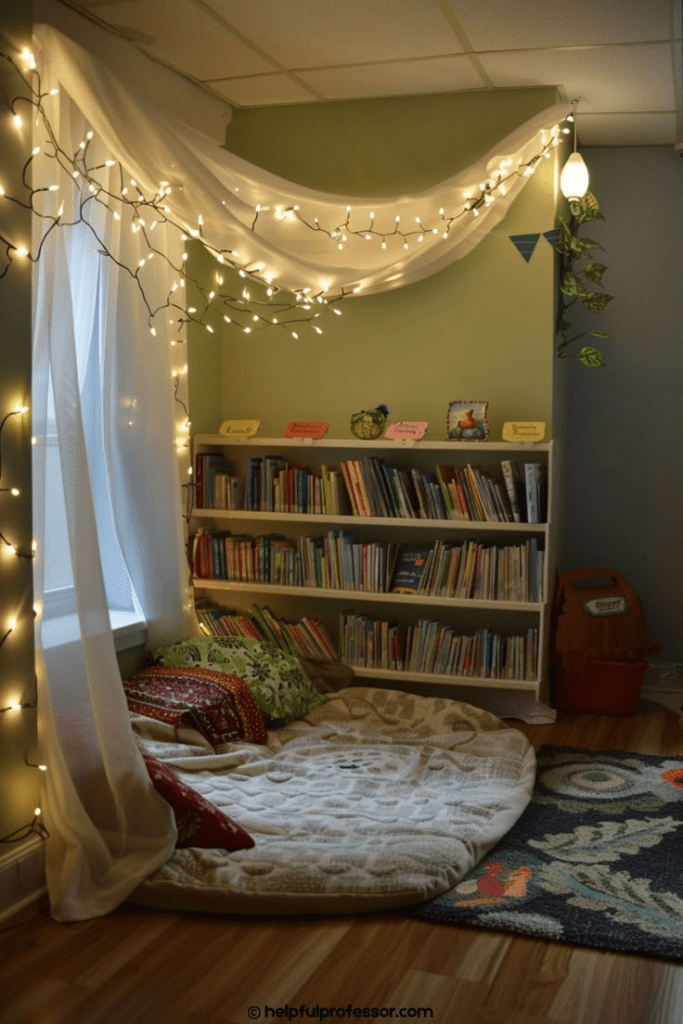
Letโ€™s be honestโ€”those harsh fluorescent lights donโ€™t exactly scream โ€œcomfort.โ€ At home, we use soft lamps, warm tones, and ambient lighting. Why not bring that vibe into the classroom?

Try this:

Pro Tip: Assign a class job called โ€œElectricianโ€ to handle the lights. Kids LOVE itโ€”especially with a remote control.


2. Community Supply Sharing

Community supplies not only reduce the clutter and โ€œmy stuffโ€ drama, they also create a sense of shared responsibility and trust.

How I organize it:

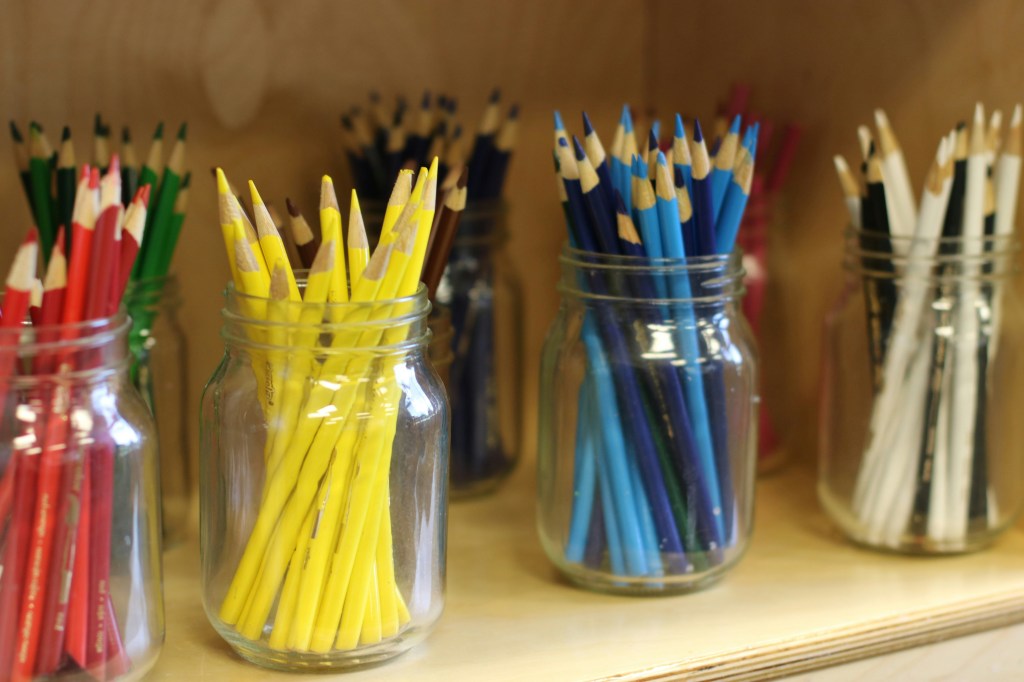
๐Ÿ’ก Iโ€™ve also used mason jars for markers and pencilsโ€”itโ€™s both functional and decorative.


3. Ditch the Desk

I know, it sounds wild. But ditching my teacher desk was one of the best decisions Iโ€™ve made. I now use a floor table and comfy chair, which opens up the space and feels so much more inviting.

Need funding? Ask your principal or PTA! Youโ€™d be surprised what theyโ€™re willing to support if you just ask.


4. Cozy Classroom Touches

These small details make a big difference in the overall feel of your room:

  • Family Photo Wall: Use twine and mini clothespins to hang family photos students bring in.
  • Class Photographer Job: One student documents classroom moments. Print a few each month to add to a photo album that stays on the bookshelf.
  • Plants: They clean the air and add beauty. Assign a โ€œClass Botanistโ€ to care for them.
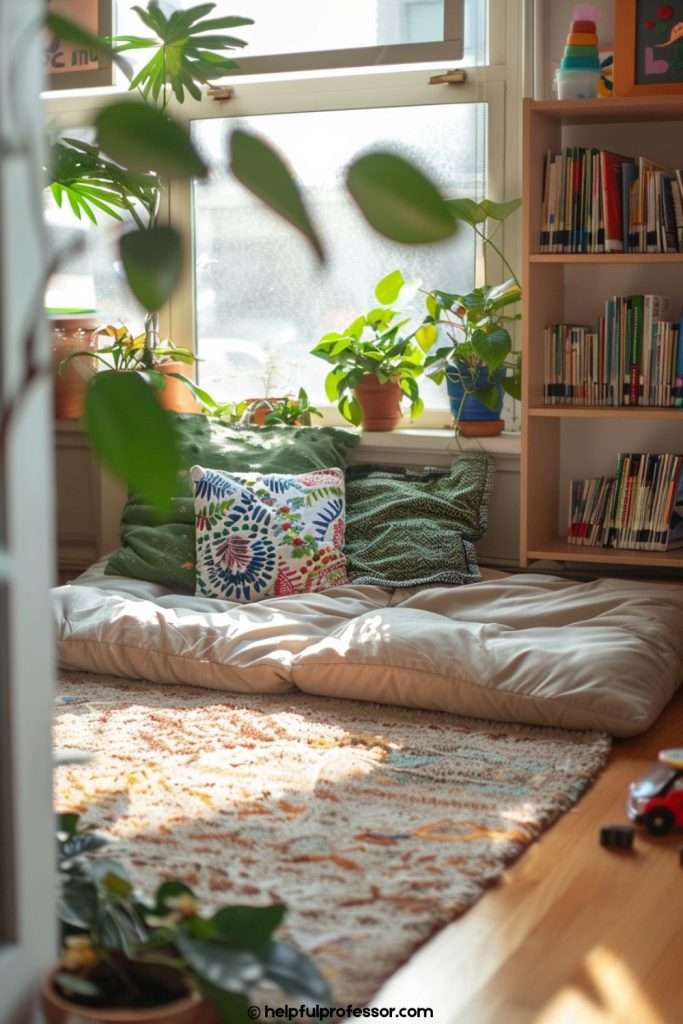
  • Area Rugs: Think home-style, not classroom-themed. A rug can define a space and soften the room.

Final Thoughts

Making your classroom feel like a second home doesnโ€™t mean sacrificing professionalism or functionโ€”it means embracing simplicity and warmth to create a space where you and your students feel safe, calm, and inspired.

You deserve to enjoy the space you spend so much time in. And your students? Theyโ€™ll feel the difference too.

Share your classroom styling tips with us- we love to share ideas!

The One Daily Activity That Changed My Classroom Culture


What brings me the most joy as a teacher?
Building a strong community of learners.

In my opinion, you canโ€™t expect students to do their best unless they feel safe, supported, and connectedโ€”not only to you, their teacher, but to each other. Thatโ€™s why I spend a lot (like… A LOT) of time intentionally building a classroom community.

Because when your students trust, value, and respect each other, you set the stage for truly meaningful learning to happen.


๐Ÿ’ฌ The Game-Changer: Question of the Day

Thereโ€™s one activity Iโ€™ve used for years that completely shifts the tone of my classroom:
Question of the Day.

Itโ€™s one of our favorite moments. The students canโ€™t wait to see what the question will be, and letโ€™s be honestโ€”they love any opportunity to talk about themselves. (Donโ€™t we all?)

At the beginning of the school yearโ€”or whenever you start this routineโ€”begin with light, low-stakes questions that are easy for everyone to answer. Think:

  • โ€œWhatโ€™s your favorite food?โ€
  • โ€œIf you could have any superpower, what would it be and why?โ€

These simple prompts help students feel safe, ease social anxiety, and give everyone a voice in a supportive environment. As the year goes on, you can begin to ask more thoughtful, reflective, or community-focused questions that relate to whatโ€™s happening in the classroom.


๐Ÿง  Examples of Thoughtful Questions:

Here are some of my go-to prompts that spark discussion and build connection:

  • โ€œWhat is something that currently brings you joy?โ€
  • โ€œOn a scale from 1 to 5 (1 = blah, 5 = AMAZING), how are you feeling today? Why?โ€
  • โ€œTell us something you donโ€™t think any of us know about you.โ€
  • โ€œTell us something goodโ€”anything!โ€
  • โ€œItโ€™s lunch time and you notice someone sitting alone looking sad. What do you do?โ€
  • โ€œWhat do you do when youโ€™re feeling worried? Share a tip that helps you relax.โ€

You can also use these moments to invite students into the decision-making process:

โ€œYesterday was really noisy during our work cycle and many people were distracted. Do you have ideas that might help us stay focused today?โ€

Giving students ownership over their classroom experience empowers them to take responsibility and builds community in real time.


๐Ÿช‘ What It Looks Like in My Classroom

We gather together once a day in a circle. Itโ€™s important to make sure everyone can see each other and make eye contactโ€”this small detail builds connection and encourages active listening.

We use a โ€œtalking ballโ€ to take turns speaking. It can be any soft item thatโ€™s easy to pass and signals who has the floor.

Here are a few of my favorites:

Using a visual cue like this makes turn-taking smoother and keeps the routine consistent and respectful.


โญ Key Takeaways

Even on the busiest daysโ€”when the schedule is full, time feels short, and youโ€™re juggling a thousand prioritiesโ€”make space for student voices. This practice will:

  • Help students feel seen and heard
  • Build peer empathy and understanding
  • Teach listening, turn-taking, and respectful conversation
  • And most importantly, create a classroom community that feels like a team

When students feel like they belong, everything elseโ€”academic engagement, behavior, motivationโ€”gets easier.

So go ahead. Add a Question of the Day into your morning meeting, closing circle, or transition time.
It might just become your favorite part of the day, too.

I can help you get started: check out my TPT page for some free samples and question ideas!