
A Simple SEL Routine That Builds Connection in Under 5 Minutes a Day

Back-to-school season is the perfect time to set the tone for connection and emotional safety in your classroom. One simple but powerful tool Iโ€™ve used over the years is the student check-in โ€” a quick, intentional moment that helps kids pause, reflect, and feel seen.

Whether youโ€™re building your classroom community from scratch or looking to strengthen your existing routines, incorporating daily and weekly check-ins can make a big difference in how students show up, both emotionally and academically.


Why Use Student Check-Ins?

Student check-ins create space for:

  • ๐ŸŒŸ Self-awareness โ€“ Students begin to notice and name their emotions.
  • ๐Ÿ’ฌ Student voice โ€“ They know their feelings matter and are heard.
  • ๐Ÿง˜โ€โ™€๏ธ Emotional regulation โ€“ A consistent routine helps them manage ups and downs.
  • ๐Ÿค Classroom community โ€“ Students learn that everyone has good days and hard days.

Best of all? They donโ€™t take long โ€” just a few minutes a day!


Whatโ€™s Inside the Editable Student Check-In Toolkit

I created this toolkit to make it easy for teachers to get started (or to level up their existing SEL routines). It includes both daily and weekly check-in templates that are simple, age-appropriate, and completely editable to meet your studentsโ€™ needs.

Hereโ€™s whatโ€™s included:

โœ”๏ธ Daily check-in slips (with and without prompts)
โœ”๏ธ Weekly reflection forms to support goal setting
โœ”๏ธ Google Slides and printable PDF versions
โœ”๏ธ Fully editable fields for total flexibility
โœ”๏ธ Simple, student-friendly design
โœ”๏ธ Great for calm down corners, morning meetings, or independent work time


How I Use This in My Classroom

I love using the daily check-in as a soft start to our morning. Students grab a slip, circle how theyโ€™re feeling, and add a sentence or doodle to share more. On Fridays, we shift to the weekly reflection โ€” where students choose one thing theyโ€™re proud of or set a goal for the week ahead.

Iโ€™ve found that giving students regular opportunities to check in helps build trust โ€” not just with me, but within the classroom as a whole. It normalizes emotions and opens the door for meaningful conversations.


Tips for Making It Work in Your Routine

  • ๐Ÿ’ก Model first: Share your own example as a morning check-in.
  • โฑ๏ธ Keep it quick: This doesnโ€™t need to take more than 5 minutes.
  • ๐ŸŽจ Give choice: Let students write, draw, or choose emojis.
  • ๐Ÿ—‚๏ธ Collect or keep private: Some teachers collect check-ins; others let students keep them in folders or journals.
  • ๐Ÿงฉ Use for small groups: These check-ins can also help you decide who might need a quick one-on-one or a calming strategy.

Ready to Try It?

If youโ€™re looking for a simple way to boost SEL and build student connection, the Editable Student Check-In Toolkit is ready to go. Just print or assign it in Google Slides โ€” and youโ€™ve got an easy-to-use tool that supports emotional wellness all year long.

๐Ÿ‘‰ Grab the Check-In Toolkit on TPT

On Pinterest? Pin it for later!

https://pin.it/6oM2ZtFzb

I’d love to hear other ideas How do you help students manage their emotions?
Back-to-School: Start the Year Strong- Teaching Kids to Manage Emotions from Day One

Starting the school year isnโ€™t just about setting up your classroomโ€”itโ€™s about setting the tone. Helping students understand and manage their emotions from the very beginning lays the foundation for a calm, connected, and resilient learning environment. Whether you’re introducing SEL routines, creating a space for emotional regulation, or simply looking for ways to support your students’ social-emotional growth, these tools can help. From printable reflection prompts to cozy corner essentials, here are some of my favorite resources to get your classroom emotionally ready for the year ahead.

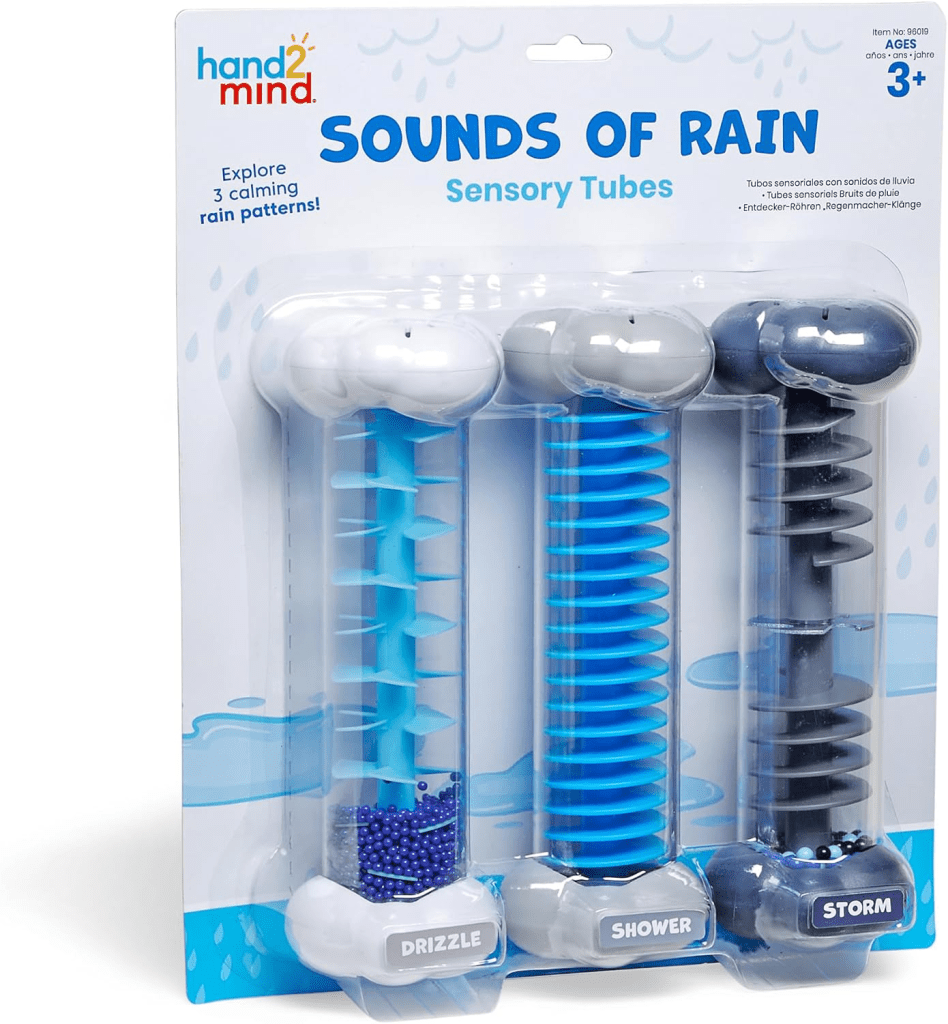
๐ŸŒง๏ธ Rainstick-Inspired Calming Tubes
These hand2mind sensory tubes gently mimic the sound of falling rain, providing a soothing experience for kids who need a quiet moment to reset. A must-have for any calm down corner or sensory station!

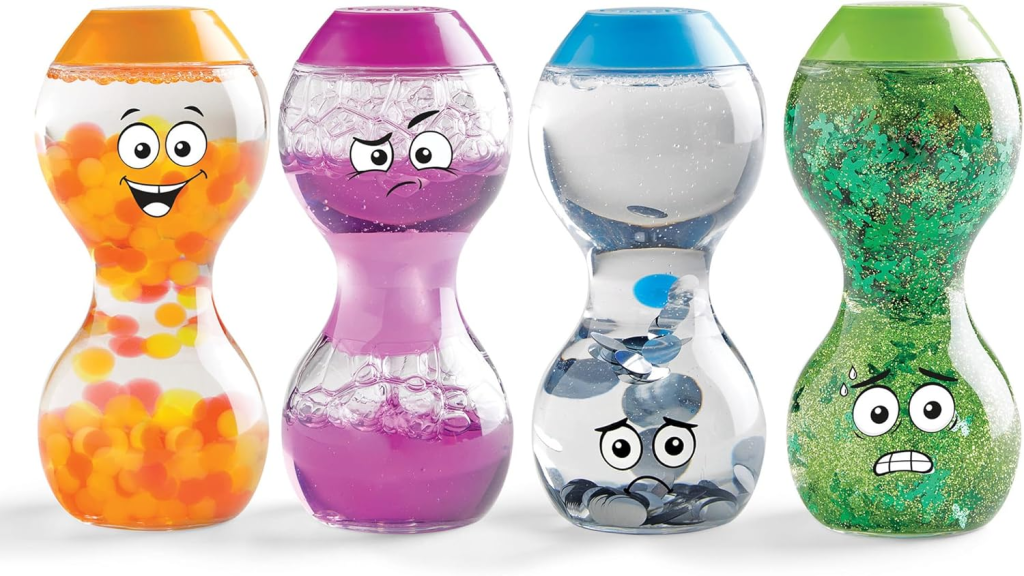
๐Ÿ˜Œ Express Your Feelings Sensory Bottles
These colorful bottles help students identify and express more complex emotions like frustration, excitement, or nervousness. A quiet, hands-on tool perfect for emotional regulation and SEL routines in your calm down space.

๐ŸŒฌ๏ธ Breathing Meditation Lamp
This guided visual tool helps students slow their breathing and self-regulate using calming light cues. Perfect for mindfulness practice, managing anxiety, or winding down after a tough moment in your calm down corner.

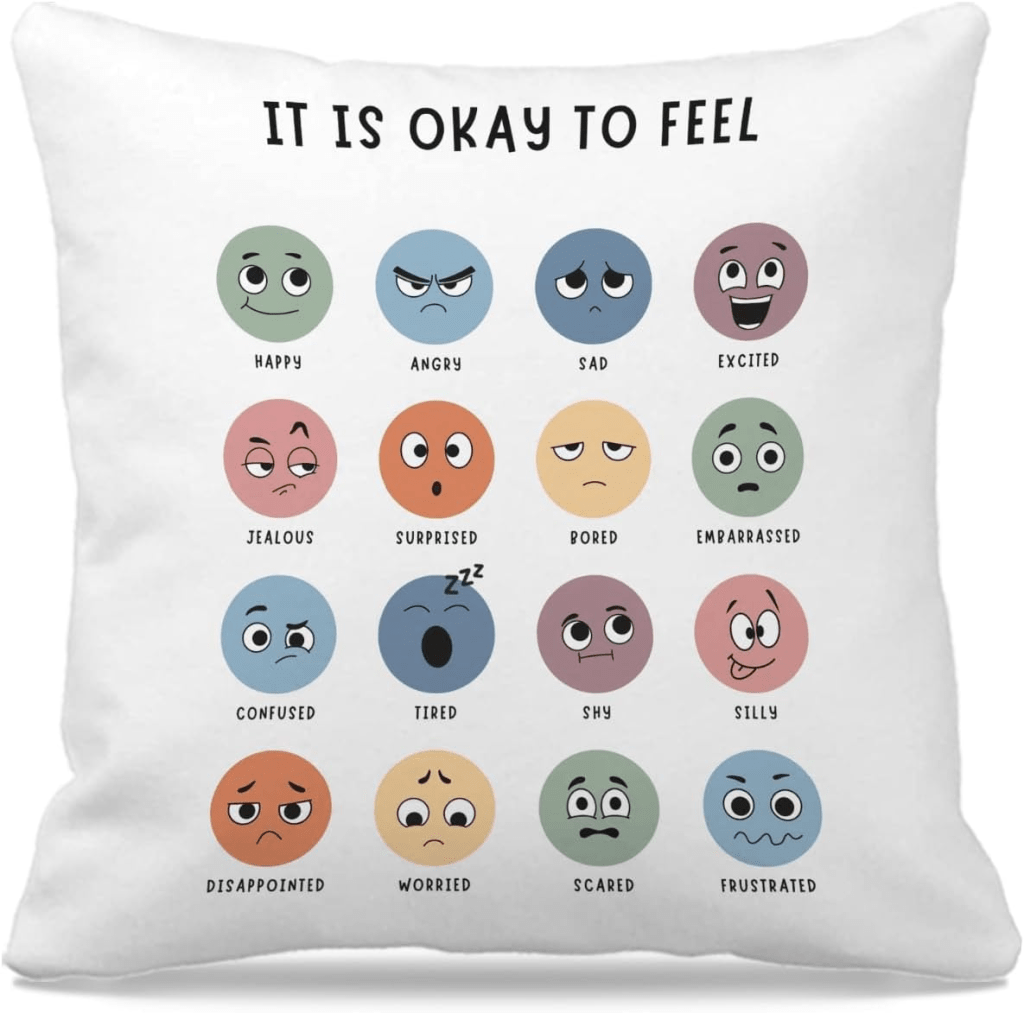
๐Ÿ›‹๏ธ Feelings Pillow Cover โ€“ Calm Down Corner Decor
Add a cozy and functional touch to your calm down space with this 18×18 โ€œFeelingsโ€ pillow cover. Itโ€™s a great visual tool for emotion identification and doubles as inviting decor for classrooms, therapy offices, or counseling spaces.

๐ŸŒˆ โ€œYou Matterโ€ Inspirational Doormat โ€“ Welcoming Classroom Vibes
Start the day with positivity! This 30×17 โ€œYou Matterโ€ doormat promotes inclusivity and belonging right at your classroom door. Perfect for entryways in classrooms, homeschools, or playrooms, it sets the tone for a safe, supportive learning space.

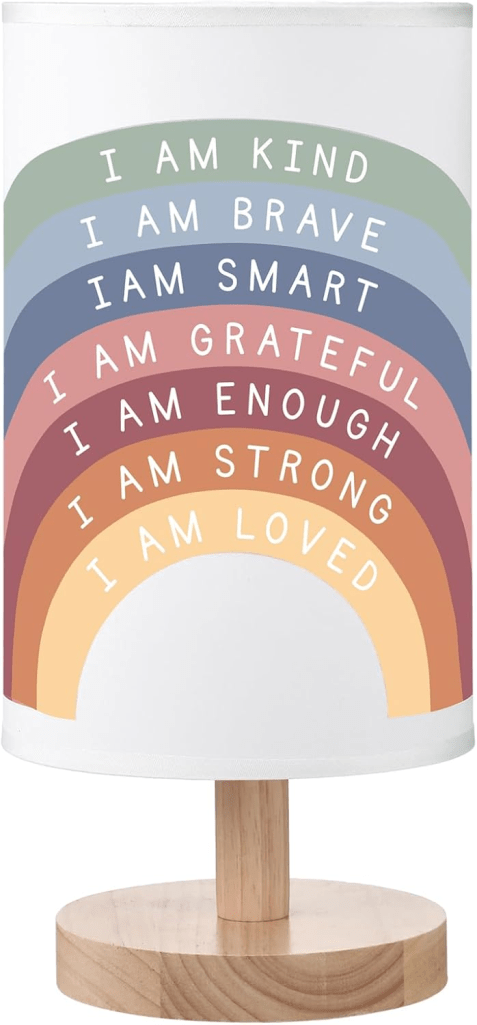
โœจ Cozy Rainbow Classroom Lamp โ€“ Calm Corner Lighting
Add a warm, soothing glow to your calm down space with this small USB-powered rainbow lamp (11.6 inches tall). Perfect for classroom calm corners, reading nooks, or playroom areasโ€”this soft lighting creates a cozy, inviting atmosphere that helps students feel safe and settled.

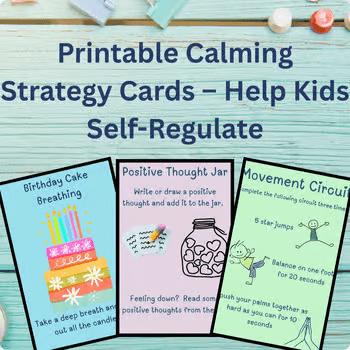
๐Ÿง  SEL Strategy Cards for Kโ€“3
Looking for a simple, visual way to teach calming techniques? These Printable SEL Strategy Cards are perfect for classroom calm down corners, brain breaks, or emotional regulation lessons. Each card includes a kid-friendly strategy like deep breathing, movement, or visualization.
๐Ÿ‘‰ Grab the set here

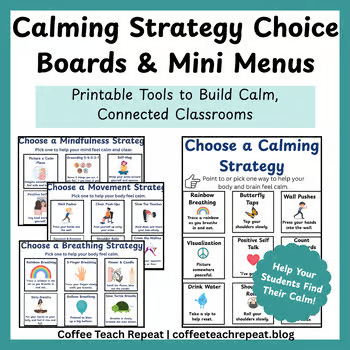
๐Ÿ—‚๏ธ Calming Strategy Choice Boards & Mini Menus
Empower your students to take ownership of their emotions with these Calming Strategy Choice Boards and Mini Menus. With multiple formatsโ€”including full-page boards and smaller, printable menusโ€”this toolkit is ideal for calm down corners, student toolboxes, or even as part of a morning check-in routine.
๐Ÿ‘‰ Check it out on TPT

๐Ÿ—ฃ๏ธ SEL Scenario Cards for Real-Life Classroom Situations
Support student decision-making and emotional growth with these Printable Social-Emotional Learning Scenario Cards. Featuring 40 real-life situations, these cards help children reflect, discuss, and problem-solve common challenges they may face in the classroom. A great addition to your calm down corner or morning meeting routine!
๐Ÿ‘‰ Explore the resource here

๐ŸŽ‰ Want It All in One Easy Download?

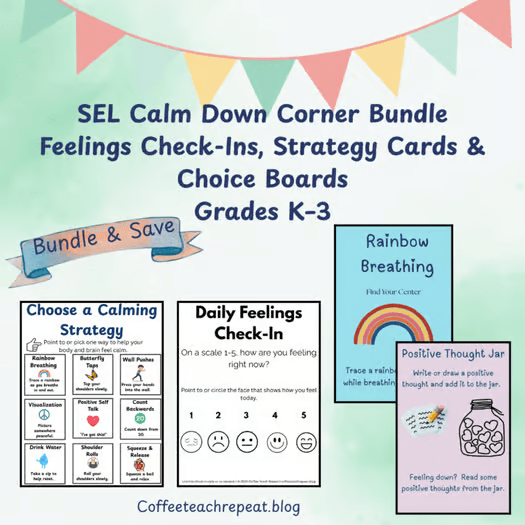
If you’re ready to stock your calm down corner with everything mentioned above, the SEL Calm Down Corner Bundle is your best bet! It includes:

  • Feelings check-in tools
  • Printable strategy cards
  • Calming choice boards & mini menus
  • Real-life SEL scenario cards

Perfect for Kโ€“3 classrooms and easy to implement starting Day 1 of the school year.

๐Ÿ‘‰ Click here to grab the full bundle on TPT

Creating a classroom where students feel safe, seen, and supported doesn’t happen overnightโ€”but with the right tools, it’s absolutely possible. Whether you’re just getting started with social-emotional learning or looking to refresh your calm down corner, I hope these ideas help you kick off the school year with confidence and heart. ๐Ÿ’› You’ve got thisโ€”and I’m cheering you on every step of the way!

How to Use SEL Scenario Cards to Build Empathy and Problem-Solving Skills

If youโ€™ve ever had a student shout, โ€œThatโ€™s not fair!โ€ or melt down because a friend didnโ€™t want to play the same game, you already know:
Learning to manage feelings and solve conflicts takes practice.

One of my favorite ways to help students build social-emotional skills is by using scenario cards.

These simple tools open the door to big conversations about kindness, empathy, and making good choices.

Today, Iโ€™m sharing tips for using SEL scenario cards in your classroomโ€”and a resource that can make it easy to get started!


๐Ÿ’› What Are SEL Scenario Cards?

Scenario cards are short, kid-friendly situations that students might encounter at school or in daily life.

Each card describes a problem or feeling and includes reflection questions like:

  • What could you do in this situation?
  • How might someone else feel?

They help students practice:
โœ… Recognizing feelings
โœ… Thinking before reacting
โœ… Considering othersโ€™ perspectives
โœ… Solving conflicts respectfully


โœจ 5 Simple Ways to Use Scenario Cards

Here are some of my favorite ways to use them:

1๏ธโƒฃ Morning Meetings
Choose a scenario to read aloud and discuss as a class. This is a great way to start the day with empathy and connection.

2๏ธโƒฃ Small Groups
Use cards in SEL rotations or counseling groups. Students can take turns reading and sharing ideas.

3๏ธโƒฃ Writing Prompts
Have students respond to a scenario in their journals. They can write or draw about how they would handle it.

4๏ธโƒฃ Role-Playing
Act out scenarios and practice calm responses. This is especially helpful for kinesthetic learners.

5๏ธโƒฃ Calm-Down Corner
Keep a ring of cards available for students to read and reflect on when they need a break.


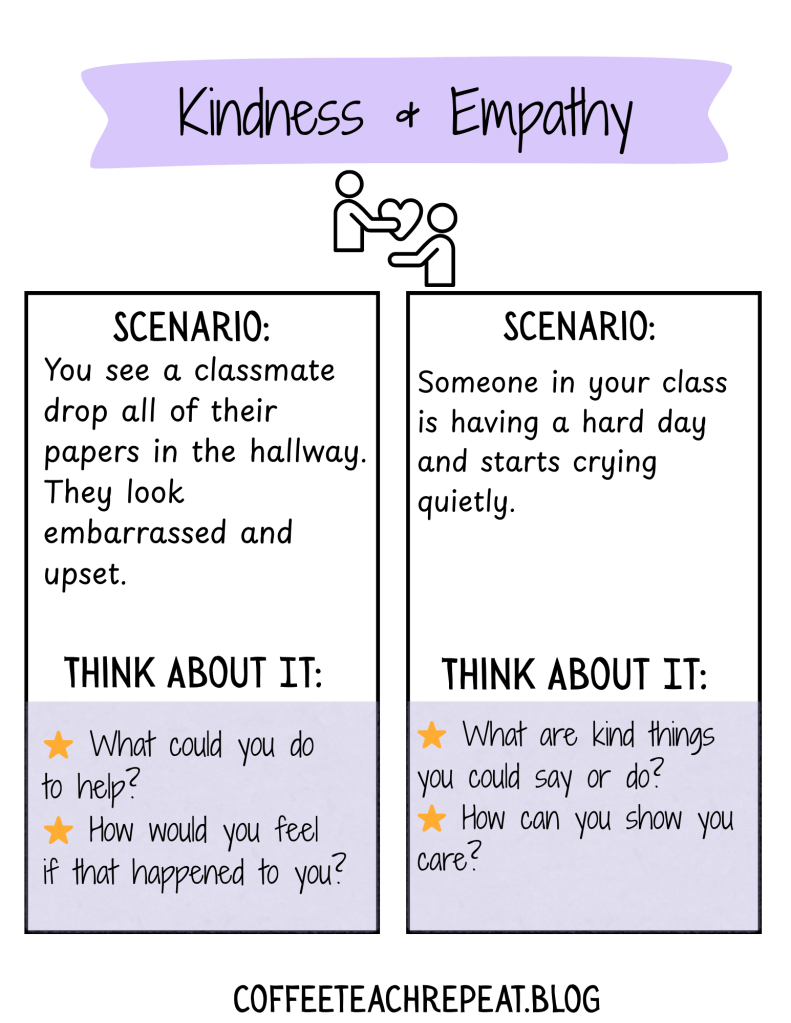
Check out this example from the set:

This simple prompt can lead to powerful conversations about inclusion and kindness.


๐Ÿ“š Ready to Try Scenario Cards?

Iโ€™ve created a set of 40 printable SEL Scenario Cards covering these topics:

โœ… Friendship & Inclusion
โœ… Managing Emotions
โœ… Conflict Resolution
โœ… Kindness & Empathy

Each card includes a clear scenario and reflection questions, plus a teacher guide to help you get started.

Click here to check them out in my TPT store!


๐Ÿ’– Letโ€™s Support Our Students Together

When we give kids the tools to talk about feelings and practice empathy, weโ€™re setting them up for a lifetime of healthy relationships.

If you try these scenario cards, Iโ€™d love to hear how you use them in your classroom!

๐Ÿ‚ 10 Cozy Classroom Finds Under $30

Creating a warm, welcoming classroom doesnโ€™t have to cost a fortune. Over the years, Iโ€™ve discovered that a few simple touches can transform even the most sterile space into a place where students (and teachers!) feel at home.

If youโ€™re ready to cozy up your classroom on a budget, here are ten of my favorite findsโ€”each under $30. Whether youโ€™re a new teacher or just looking to refresh your space, these little upgrades can make a big difference.

(This post contains affiliate links, which means I may earn a small commission at no extra cost to you.)


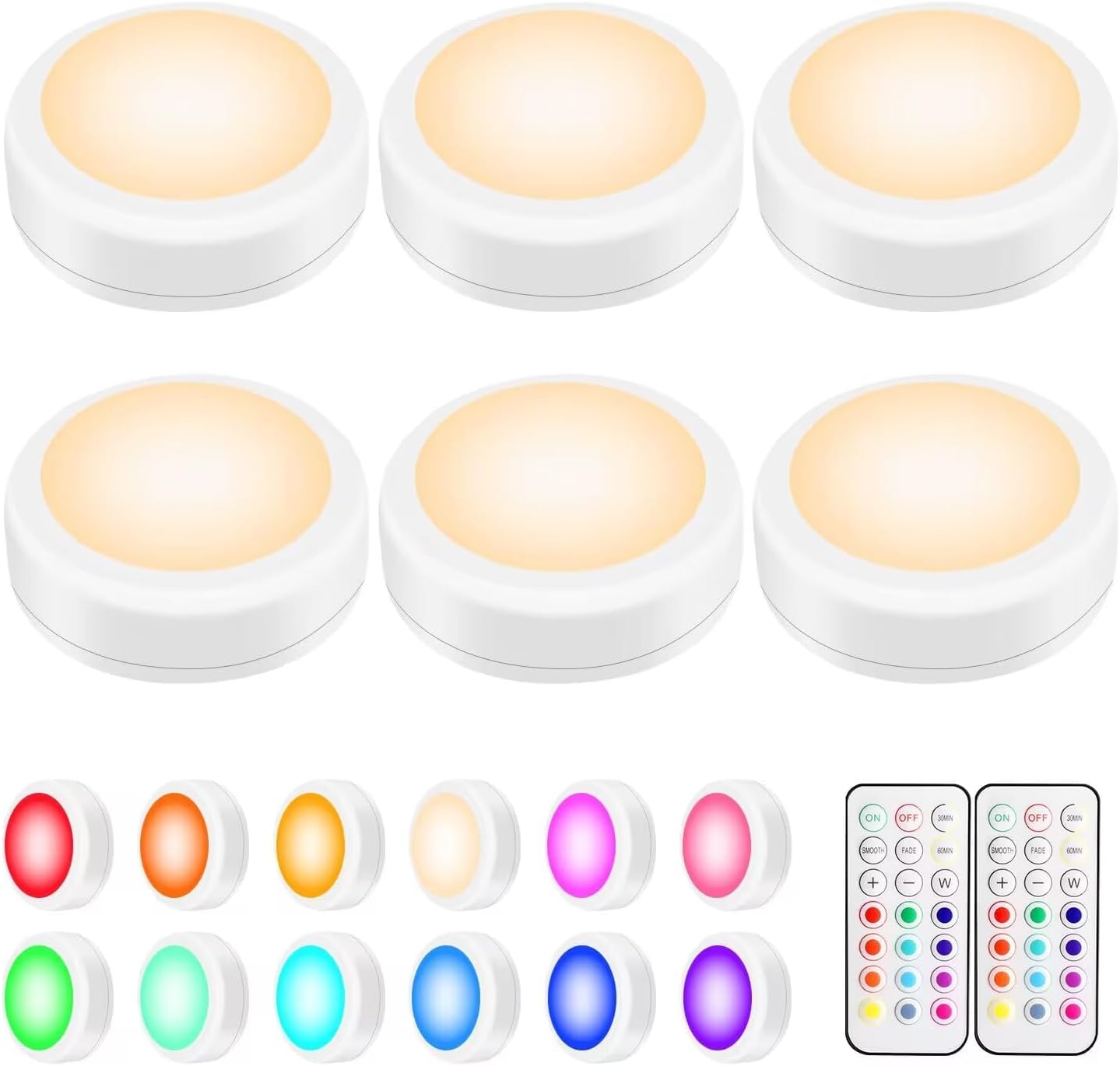
๐ŸŒŸ 1. Color-Changing Tap Lights

Shop the Tap Lights
These color-changing tap lights are great for creating a sensory-friendly atmosphere or letting students choose a color that matches how they feel. Just tap to cycle through soothing hues.


๐ŸŒŸ 2. Moon Lamp Night Light

Shop the Moon Lamp
This beautiful moon lamp casts a warm, calming glowโ€”perfect for a calm down corner or a cozy reading nook. Students love the soft light and the magical vibe it adds to your classroom.


๐ŸŒŸ 3. Comfy Floor Cushions

Shop the Floor Cushions
Perfect for your reading area or calm down space, these flexible floor cushions give kids a comfy spot to relax or refocus.


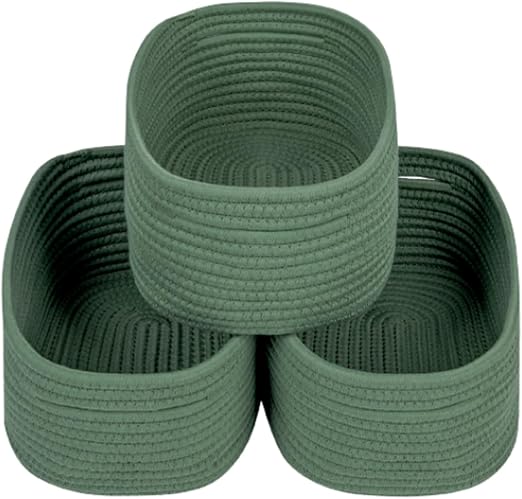
๐ŸŒŸ 4. Woven Storage Baskets

Shop the Storage Baskets
These woven baskets make it easy to organize sensory tools, books, or mindfulness cards while still looking stylish on your shelves.


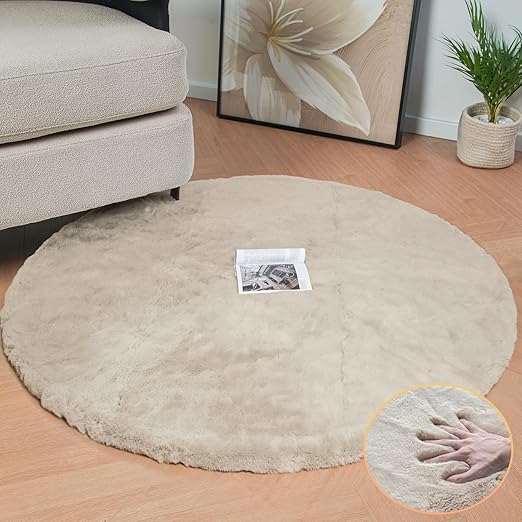
๐ŸŒŸ 5. Soft Neutral Area Rug

Shop the Rug
This plush rug creates an inviting spot for students to settle in during circle time or quiet activities.


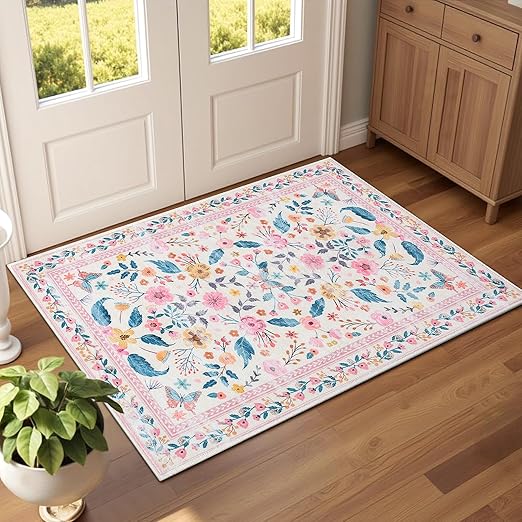
๐ŸŒŸ 6. Washable Patterned Rug

Shop the Washable Rug
Easy to clean and available in different colors, this rug adds a soft touch while holding up to classroom wear and tear.


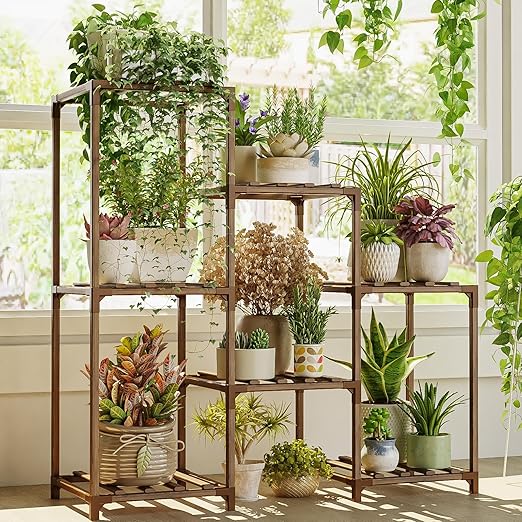
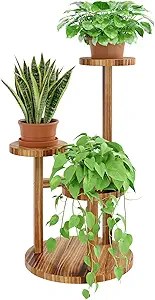
๐ŸŒŸ 7. Tiered Plant Stand

Shop the Tiered Plant Stand
Use this stand to display plants and calming tools. It doubles as a beautiful focal point for your calm down corner.


๐ŸŒŸ 8. Compact Plant Shelf

Shop the Compact Plant Shelf
If youโ€™re short on space, this smaller plant stand still adds a touch of green without taking over the room.


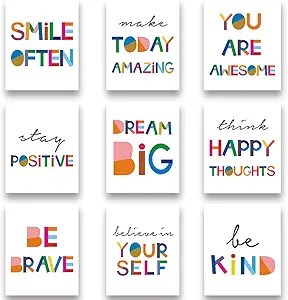
๐ŸŒŸ 9. Motivational Poster Set

Shop the Posters
Brighten up your walls with affirmations and reminders that every student belongs. A simple way to make your classroom feel positive and welcoming.

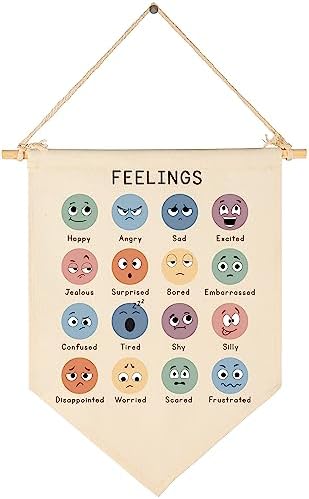
๐ŸŒŸ 10. Feelings Check-In Banner

Shop the Feelings Banner
This colorful feelings banner helps students identify and express their emotions throughout the day. Hang it in your calm down corner, near your morning meeting space, or by the door for quick check-ins. A perfect blend of decor and social-emotional learning support!

๐Ÿ‚ Wrap-Up

You donโ€™t have to spend a fortune to make your classroom feel warm and inviting. A few thoughtful touches can transform your space into a cozy haven where your students feel safe, seen, and ready to learn.

If you try any of these finds, Iโ€™d love to hear how you use them in your classroom!

5 Affordable Calm Down & SEL Tools Every Classroom Needs

If youโ€™re still figuring out why a calm down corner matters or how to set one up, check out this guide first. Then come back here to grab my favorite tools to fill it!

If youโ€™ve ever had a student overwhelmed by big feelings, you know the value of a calm down corner. But building one doesnโ€™t have to cost a fortune.

These five tools are my go-to favoritesโ€”and theyโ€™re all teacher-approved and budget-friendly on Amazon.


โœจ 1. HEXlight Sensory Lights

I know I’ve mentioned these before, but I’m sharing them again because they are just so cool. Soft ambient lighting instantly makes any corner feel safe and cozy. These bestselling HEXlights are easy to set upโ€”and theyโ€™re 20% off right now.

๐Ÿ‘‰ Shop HEXlight Sensory Lights


๐Ÿง˜ 2. Liquid Motion Bubblers

These quiet, mesmerizing timers help students focus on their breath and regulate emotions. Theyโ€™re great for individual calm-down kits or classroom corners.

๐Ÿ‘‰ Get Liquid Motion Bubblers


๐Ÿ‘ 3. Stress Ball Fidget Toys

Fidgets are perfect for calming busy hands and grounding anxious energy. These colorful stress balls are easy to clean and come in sets for small groups.

๐Ÿ‘‰ Shop Stress Balls and Fidgets


๐ŸŒŸ 4. ๐ŸŒฌ๏ธ Skywin Breathing Maze Set

Teaching kids to breathe deeply and regulate their emotions can feel overwhelmingโ€”but this simple tool makes it approachable and fun. The Skywin Breathing Maze Set includes handheld boards with engraved paths that guide children to trace with their finger while inhaling and exhaling.

Why it works:
โœ… Encourages slow, mindful breathing
โœ… Gives kids a tactile focus point
โœ… Helps calm anxiety and big feelings
โœ… Easy to clean and durable

These breathing mazes are perfect for:

  • Calm down corners
  • Counseling or play therapy sessions
  • Morning meetings or SEL circles
  • Quiet moments after recess or transitions

If youโ€™re looking for a hands-on way to help students learn self-regulation, this set is a fantastic addition to your toolkit.

๐Ÿ‘‰ See the Skywin Breathing Maze Set on Amazon

๐ŸŒธ 5. Bloom: A Flower Coloring Book

Sometimes the simplest way to relax is to pick up a pencil and fill a page with color. Bloom: A Flower Coloring Book is a beautiful collection of 30+ hand-drawn floral illustrations by artist Alli Koch. From intricate blossoms to bold blooms, each page is designed to help you unwind and recharge.

Why I love it:
โœ… Single-sided pages (no bleed-through!)
โœ… Thick, high-quality paper
โœ… Designs range from simple to detailed
โœ… Inspiring and calming for any age

This coloring book is perfect for:

  • Quiet moments during your planning period
  • Creative breaks to reset your mind
  • Self-care routines or classroom stress relief

It also makes a thoughtful gift for teachers, friends, or anyone who loves flowers and creativity.

๐Ÿ‘‰ See Bloom: A Flower Coloring Book on Amazon

๐ŸŒˆ Final Thoughts

Whether youโ€™re setting up a dedicated calm down corner or simply adding a few SEL supports to your classroom, these tools can make a big difference in how students feel and respond.

You donโ€™t need to spend a lotโ€”just start small and be consistent.

๐Ÿ“Œ Pin This Post for Later!


โœ… Disclosure: As an Amazon Associate, I earn from qualifying purchases at no additional cost to you.

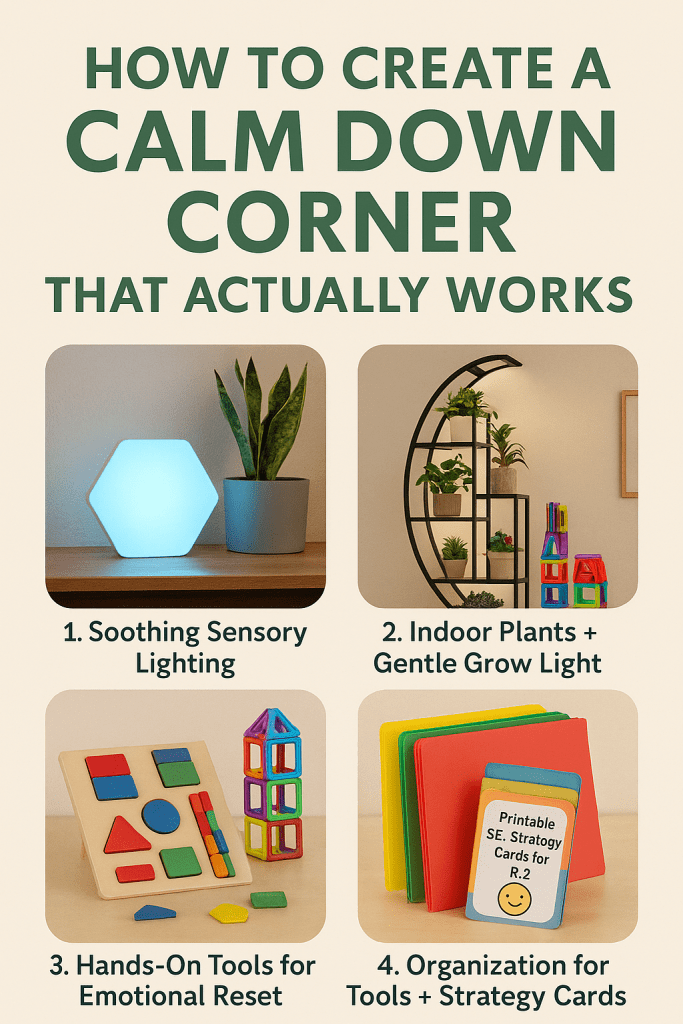
๐ŸŒฟ How to Create a Calm Down Corner That Actually Works

If you teach in an elementary classroom, youโ€™ve likely faced this scenario: a student becomes overwhelmed, emotional, or dysregulated, and you need a way to help them resetโ€”without disrupting the rest of the class.

Enter: the Calm Down Corner.

This dedicated space offers students a safe, supportive place to regulate their emotions, breathe, and return to learning with a clearer mindset. And the best part? Setting one up is easier than you thinkโ€”with just a few intentional tools, you can transform even a small classroom nook into a calming oasis.


๐Ÿ’ก Why Every Classroom Needs a Calm Down Corner

A Calm Down Corner isnโ€™t a punishmentโ€”itโ€™s a proactive strategy that supports emotional regulation and self-awareness. When students have a go-to space where they can reset, youโ€™ll see:

  • Fewer disruptions
  • Shorter recovery times
  • Better long-term self-regulation

Plus, youโ€™re modeling what it looks like to respond to big emotions rather than reactโ€”a powerful SEL lesson in itself.


๐Ÿงบ What to Include in Your Calm Down Corner

Here are my must-have tools for creating a calming, functional space that works for young learners.


1. โœจ Soothing Sensory Lighting

๐Ÿ’ก Try This: HEXlight Sensory Lights โ€“ 20% Off

Harsh overhead lighting doesnโ€™t exactly say โ€œrelax.โ€ These bestselling lights create a soft, ambient glow that instantly shifts the mood. Easy to set up and especially perfect for calm down spaces.


2. ๐Ÿชด Indoor Plants + Gentle Grow Light

๐Ÿ’ก Try This: Zekoled 7-Tier Plant Stand with Built-In Grow Lights

The crescent shape of this plant stand makes a visual statement, and the full-spectrum lights keep your greenery happy. Plants bring calm, improve air quality, and offer a soft focus for students who need to reset.


3. ๐Ÿงฉ Hands-On Tools for Emotional Reset

๐Ÿง  Try These:

Some students need to move their hands while their minds settle. These quiet tools encourage problem-solving, creativity, and independenceโ€”all while promoting calm.


4. ๐Ÿ“‚ Organization for Tools + Strategy Cards

๐Ÿ“ Try This: JZW Color File Folders โ€“ Set of 5

I use these color folders to organize printed SEL tools by themeโ€”breathing, movement, reflection, and more.

๐Ÿ“ฅ Get My SEL Strategy Cards:
Download on TPT โ€“ Printable SEL Strategy Cards for Kโ€“3

๐Ÿง˜โ€โ™€๏ธ How to Introduce the Calm Down Corner to Students

A calm corner only works if students know:

  • When to use it
  • How to use it
  • That itโ€™s not a punishment

Start by modeling its use during class meetings or SEL lessons. Practice when students are calm, not in the middle of a meltdown. Reinforce that this is a tool, not a time-out.

๐ŸŒˆ Final Thoughts

You donโ€™t need a giant budget or a Pinterest-perfect setup to build a powerful calm down space. A few intentional choicesโ€”and the right toolsโ€”go a long way in helping students build emotional awareness and regulation skills.

๐Ÿ‘‰ Shop All My Calm Down Corner Favorites on Amazon
Or grab the printable strategy cards here to get started right away.


๐Ÿ“Œ Pin This Post for Later!

Want to set up a calm down corner in your classroom that actually works? These teacher-tested Amazon findsโ€”including soothing lights, plants, emotional reset tools, and a printable SEL card deckโ€”make it simple. Save this post and grab what you need! #SEL #CalmDownCorner #AmazonTeacherFinds

8 Powerful SEL Picture Books to Use in Your Elementary Classroom + Grab Your Freebie Reflection Form

Social-emotional learning (SEL) plays a critical role in helping students navigate emotions, build relationships, and grow into compassionate individuals. One of the most powerful ways to introduce SEL concepts in an elementary classroom is through picture books.

Here are eight impactful SEL read-alouds, complete with themes and lesson ideas, that can spark meaningful conversations with your students. After reading, put some of these reading reflection forms in your calm down corner. Students can use them to implement SEL skills into their daily life and routine.


1. The Invisible Boy by Trudy Ludwig

Theme: Inclusion, empathy, kindness
This heartwarming story follows Brian, a quiet boy who often feels invisible until a new student shows him kindness.
Classroom Idea: Create a class discussion around โ€œinvisibleโ€ moments and how small acts of inclusion can make a big difference.


2. Don’t Think About Purple Elephants by Susan Whelan

Theme: Anxiety, calming strategies
A story about a girl whose worries come at night, until her mother offers an imaginative way to cope.
Classroom Idea: Teach students how to redirect worry thoughts by imagining something silly or comforting.


3. My Magic Breath by Nick Ortner & Alison Taylor

Theme: Mindfulness, breathing techniques
This interactive book encourages kids to use their breath to manage feelings and calm down.
Classroom Idea: Introduce this during morning meetings or before tests as a mindfulness routine.

Art connection: Make a class book where students draw their own “magic breath”- put it in the calm down corner for students to look at when needing a minute to calm down.


4. Enemy Pie by Derek Munson

Theme: Friendship, conflict resolution
A clever dad helps his son turn an โ€œenemyโ€ into a friend using a secret recipeโ€”Enemy Pie.
Classroom Idea: Have students write a recipe for friendship or role-play conflict resolution strategies.


5. After the Fall by Dan Santat

Theme: Resilience, overcoming fear
Find out what happens to Humpty Dumpty after his great fallโ€”an inspiring tale of bravery and perseverance.
Classroom Idea: Connect this book to growth mindset lessons or journal about a time students overcame fear.


6. Those Shoes by Maribeth Boelts

Theme: Gratitude, needs vs. wants
Jeremy wants trendy shoes like his classmates, but ultimately discovers kindness and generosity are more important.
Classroom Idea: Use this to open discussions about empathy, giving, and recognizing privilege.


7. Each Kindness by Jacqueline Woodson

Theme: Regret, kindness, missed opportunities
This powerful book shows how one girlโ€™s missed chance to be kind stays with her.
Classroom Idea: Reflect on the ripple effect of kindness with writing prompts or class challenges.


8. The Bad Seed by Jory John

Theme: Behavior, self-perception, change
A funny but touching story about a seed who believes he’s “bad,” and how he chooses to change.
Classroom Idea: Use it to discuss labeling, growth, and making positive choices every day.


๐Ÿ“˜ Make SEL Meaningful with Read-Alouds

These picture books offer more than just storiesโ€”they open the door to deeper conversations, reflection, and classroom community building. Whether you’re doing morning meetings or SEL mini-lessons, these titles fit naturally into your routine.


๐Ÿ”— Amazon Affiliate Links

Want to grab these books for your classroom? Check them out here:

After reading: Use this reading reflection sheet. Students can respond and reflect on the books you use in the classroom to help teach those important SEL skills.

Do you have any great picture books that you use to teach SEL strategies in your classroom? Share them with us- we always love to see what other teachers are doing in their classrooms.

My Go-To Tool for Supporting Emotional Regulation in the Classroom

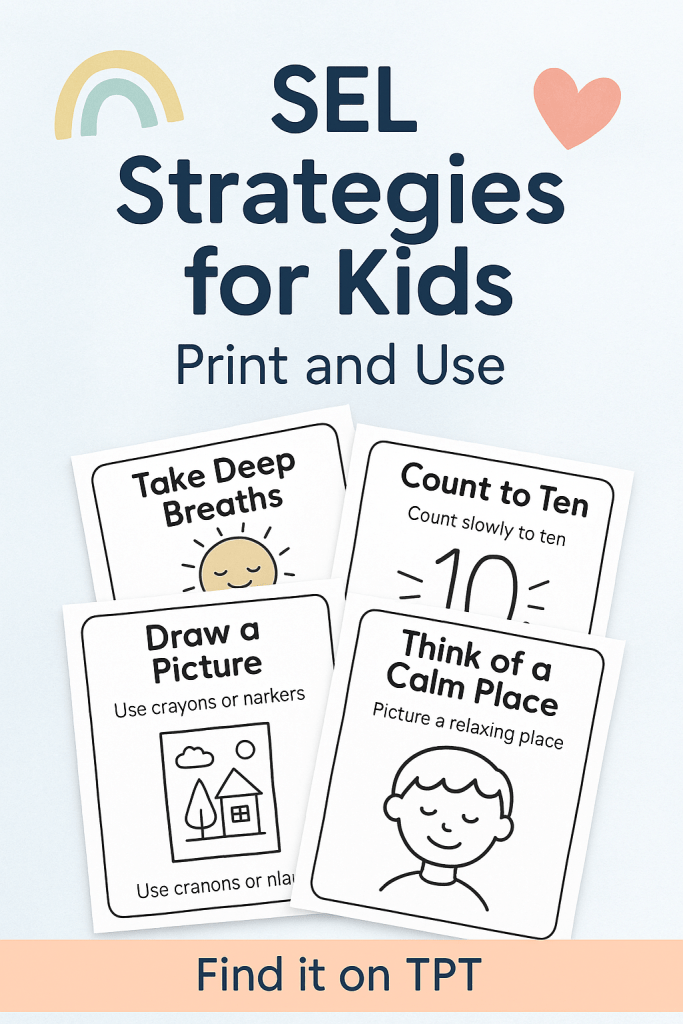
Teaching emotional regulation is just as important as teaching reading or math โ€” especially in the early grades. I created these SEL strategy cards to give students concrete, visual tools to help manage their feelings when emotions start to take over.

Whether theyโ€™re feeling overwhelmed, frustrated, or just need a moment to reset, these cards help guide students to use calming strategies independently.


๐Ÿ’ก Whatโ€™s Inside the SEL Strategy Cards Set

This printable resource includes:

  • โœ… calming strategies in student-friendly language
  • โœ… Categories like breathing, movement, visualization, and positive self-talk
  • โœ… A calm, clean design with hand-drawn style icons
  • โœ… An instruction page to help you introduce the cards with confidence

๐Ÿงบ How I Use Them in My Classroom

I introduce the cards during our class meetings and model how to use them. We role-play different scenarios and talk about how each strategy helps. Once students are familiar, I place the cards in our Calm Down Corner along with a few quiet tools like crayons, stress balls, and a timer.

The best part? Students now know what to do when they need a moment โ€” and they don’t need to ask me for help every time.


๐Ÿซ Other Ways to Use These Cards:

  • โœ… Morning meetings or SEL mini-lessons
  • โœ… Small group counseling
  • โœ… Pre-teaching strategies before a tough test or transition
  • โœ… Substitute or independent work time SEL centers

๐Ÿ“ฅ Grab Your Set of SEL Cards

You can grab the full set of SEL Strategy Cards for Kids in my Teachers Pay Teachers store.

๐Ÿ‘‰ Click here to get the SEL cards on TPT!

Just print, laminate, and use them all year long to support your studentsโ€™ emotional growth.

๐Ÿ“Œ Save This for Later

Pin the image below to your SEL or classroom management board so you donโ€™t forget it!


๐Ÿ“Œ Check out my Pinterest Page for more SEL strategies

Why I Teach Self-Reflection in the Elementary Classroom

As elementary teachers, we wear a lot of hats. We plan lessons, assess progress, meet diverse academic needs, and ensure students master grade-level standards. But one of our most importantโ€”and often overlookedโ€”roles is supporting the social and emotional growth of our learners.

Helping students understand their choices, emotions, and reactions is powerful work. When done consistently and with care, it can transform not just individual behavior, but the entire classroom climate. Iโ€™ve seen firsthand that the more time we invest in this kind of support, the more successful our students becomeโ€”not just as learners, but as people.

That said, teaching emotional regulation and reflection isnโ€™t easy. If youโ€™ve ever worked with a student in the middle of a meltdown or conflict, you know that teaching in the heat of the moment rarely works.

Thatโ€™s where self-reflection becomes essential.


๐Ÿ“ What a Reflection Form Is (and Isnโ€™t)

A reflection form is not a punishment.
Itโ€™s a toolโ€”a calm, structured way for students to pause and process what happened. The goal is to build self-awareness and emotional vocabulary, not shame or blame.


๐Ÿ•’ When I Use It

  • After a conflict or disruptive behavior
  • In calm-down corners, when students are ready to reflect
  • During restorative conversations
  • As a check-in tool for ongoing SEL support

๐Ÿ’ฌ What Iโ€™ve Noticed Since Using It

Since I started using reflection forms in my classroom, Iโ€™ve seen some amazing changes:

  • Students are better able to identify and express their emotions
  • There are fewer repeated behaviors
  • Iโ€™m having more restorative conversations instead of reactive ones
  • Students are becoming more aware of how their actions affect others
  • Our classroom community feels stronger and more connected

๐ŸŽ Try It in Your Classroom

Iโ€™ve created a simple, kid-friendly Student Reflection Form you can start using right away. Itโ€™s perfect for calm-down corners, behavior support, or SEL lessons.

๐Ÿ‘‰ Click here to grab the free reflection form

Letโ€™s help our students not just manage their emotionsโ€”but understand them.

Check out My TPT page for more SEL classroom tools as well .

How to Make Your Classroom Feel Like a Home Away From Home

Whether you’re setting up your classroom for the first time or are a seasoned teacher like me, chances are you spend a lot of time thinking about your space. After 20 years in the classroom, I’ve gone through it allโ€”classroom themes, color-coded centers, inspirational posters, and anchor charts galore.

But lately, Iโ€™ve shifted my mindset. And after years of trial and error, Iโ€™ve discovered a style that finally feels just right.

Less is More

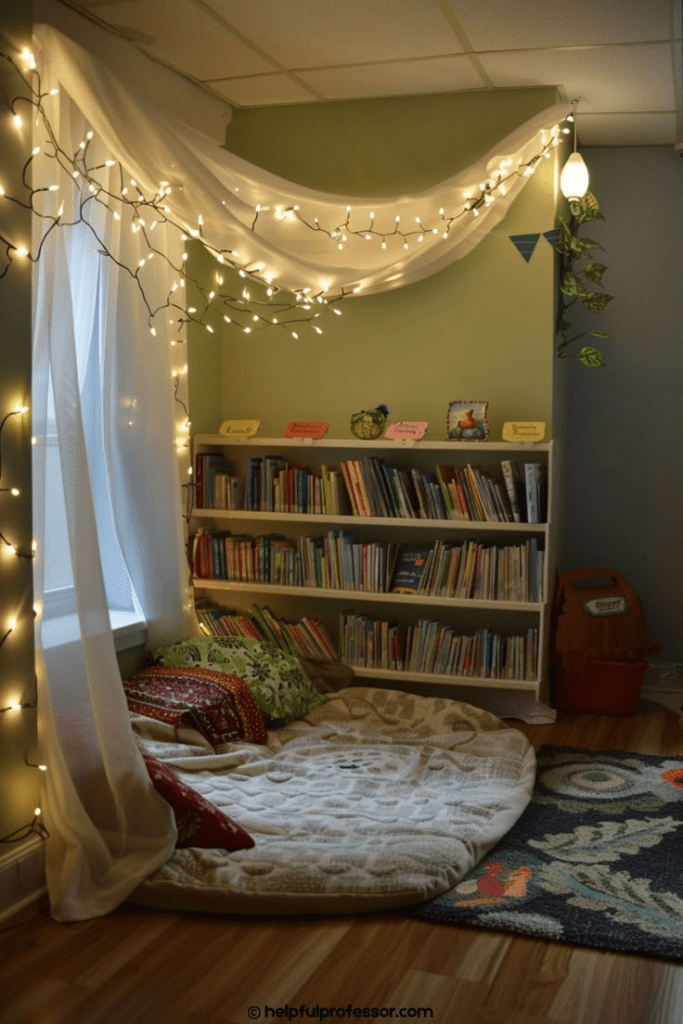
Yep, Iโ€™ve realized that the less I put on the walls, shelves, and tables, the more at peace I feel. My current aesthetic? Think cozy, calm, and intentionalโ€”a โ€œhome away from home.โ€

We spend a big chunk of our lives in our classrooms. So why not make it feel warm and welcoming, like a place where we actually want to be?

Need some inspiration? Iโ€™m sharing a few of the small changes Iโ€™ve made to help create a calm, homey environmentโ€”along with links to some of my favorite finds and ideas for organizing it all.


1. Warm, Cozy Lighting

Letโ€™s be honestโ€”those harsh fluorescent lights donโ€™t exactly scream โ€œcomfort.โ€ At home, we use soft lamps, warm tones, and ambient lighting. Why not bring that vibe into the classroom?

Try this:

Pro Tip: Assign a class job called โ€œElectricianโ€ to handle the lights. Kids LOVE itโ€”especially with a remote control.


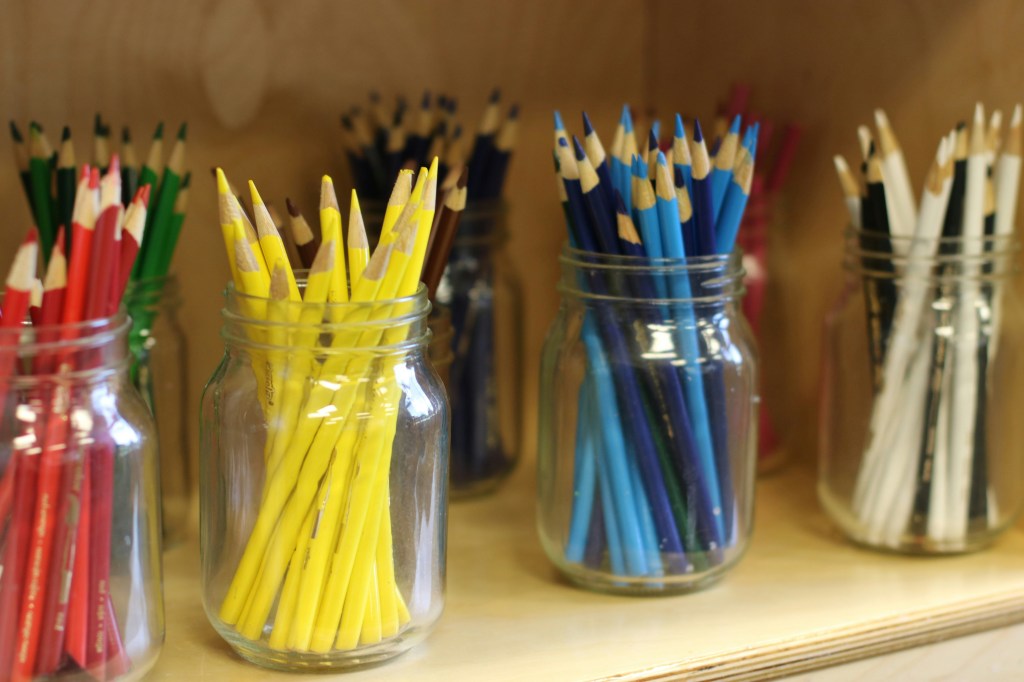
2. Community Supply Sharing

Community supplies not only reduce the clutter and โ€œmy stuffโ€ drama, they also create a sense of shared responsibility and trust.

How I organize it:

๐Ÿ’ก Iโ€™ve also used mason jars for markers and pencilsโ€”itโ€™s both functional and decorative.


3. Ditch the Desk

I know, it sounds wild. But ditching my teacher desk was one of the best decisions Iโ€™ve made. I now use a floor table and comfy chair, which opens up the space and feels so much more inviting.

Need funding? Ask your principal or PTA! Youโ€™d be surprised what theyโ€™re willing to support if you just ask.


4. Cozy Classroom Touches

These small details make a big difference in the overall feel of your room:

  • Family Photo Wall: Use twine and mini clothespins to hang family photos students bring in.
  • Class Photographer Job: One student documents classroom moments. Print a few each month to add to a photo album that stays on the bookshelf.
  • Plants: They clean the air and add beauty. Assign a โ€œClass Botanistโ€ to care for them.
  • Area Rugs: Think home-style, not classroom-themed. A rug can define a space and soften the room.

Final Thoughts

Making your classroom feel like a second home doesnโ€™t mean sacrificing professionalism or functionโ€”it means embracing simplicity and warmth to create a space where you and your students feel safe, calm, and inspired.

You deserve to enjoy the space you spend so much time in. And your students? Theyโ€™ll feel the difference too.

Share your classroom styling tips with us- we love to share ideas!