

Back-to-school season is the perfect time to set the tone for connection and emotional safety in your classroom. One simple but powerful tool I’ve used over the years is the student check-in — a quick, intentional moment that helps kids pause, reflect, and feel seen.
Whether you’re building your classroom community from scratch or looking to strengthen your existing routines, incorporating daily and weekly check-ins can make a big difference in how students show up, both emotionally and academically.
Why Use Student Check-Ins?
Student check-ins create space for:
- 🌟 Self-awareness – Students begin to notice and name their emotions.
- 💬 Student voice – They know their feelings matter and are heard.
- 🧘♀️ Emotional regulation – A consistent routine helps them manage ups and downs.
- 🤝 Classroom community – Students learn that everyone has good days and hard days.
Best of all? They don’t take long — just a few minutes a day!
What’s Inside the Editable Student Check-In Toolkit
I created this toolkit to make it easy for teachers to get started (or to level up their existing SEL routines). It includes both daily and weekly check-in templates that are simple, age-appropriate, and completely editable to meet your students’ needs.
Here’s what’s included:
✔️ Daily check-in slips (with and without prompts)
✔️ Weekly reflection forms to support goal setting
✔️ Google Slides and printable PDF versions
✔️ Fully editable fields for total flexibility
✔️ Simple, student-friendly design
✔️ Great for calm down corners, morning meetings, or independent work time
How I Use This in My Classroom
I love using the daily check-in as a soft start to our morning. Students grab a slip, circle how they’re feeling, and add a sentence or doodle to share more. On Fridays, we shift to the weekly reflection — where students choose one thing they’re proud of or set a goal for the week ahead.
I’ve found that giving students regular opportunities to check in helps build trust — not just with me, but within the classroom as a whole. It normalizes emotions and opens the door for meaningful conversations.
Tips for Making It Work in Your Routine
- 💡 Model first: Share your own example as a morning check-in.
- ⏱️ Keep it quick: This doesn’t need to take more than 5 minutes.
- 🎨 Give choice: Let students write, draw, or choose emojis.
- 🗂️ Collect or keep private: Some teachers collect check-ins; others let students keep them in folders or journals.
- 🧩 Use for small groups: These check-ins can also help you decide who might need a quick one-on-one or a calming strategy.
Ready to Try It?
If you’re looking for a simple way to boost SEL and build student connection, the Editable Student Check-In Toolkit is ready to go. Just print or assign it in Google Slides — and you’ve got an easy-to-use tool that supports emotional wellness all year long.
👉 Grab the Check-In Toolkit on TPT
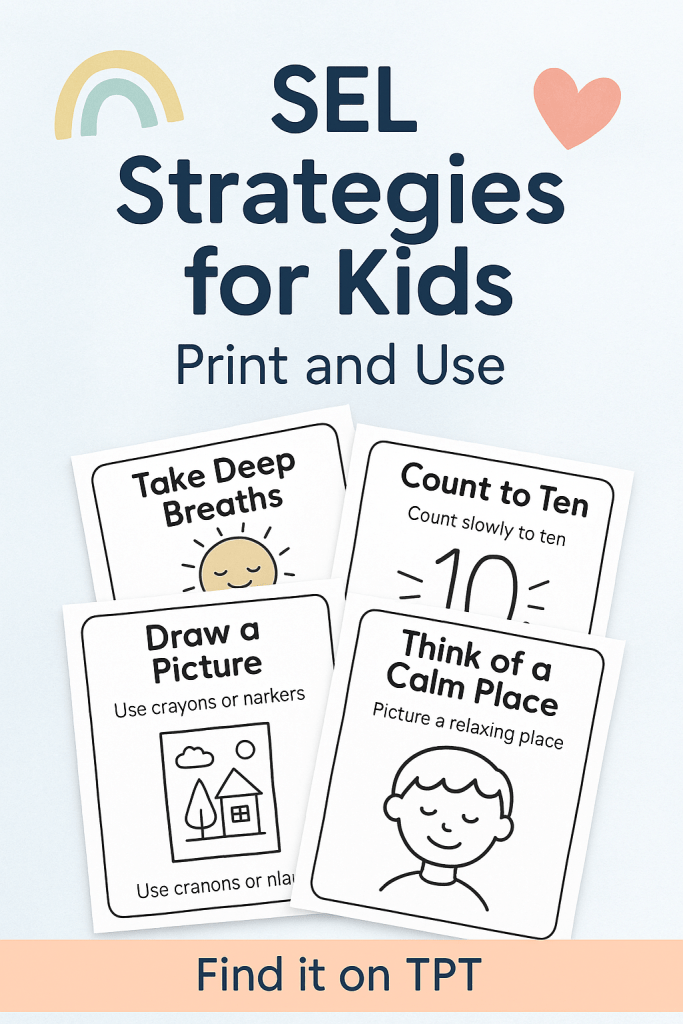
On Pinterest? Pin it for later!
I’d love to hear other ideas How do you help students manage their emotions?
 coffee.TEACH.repeat